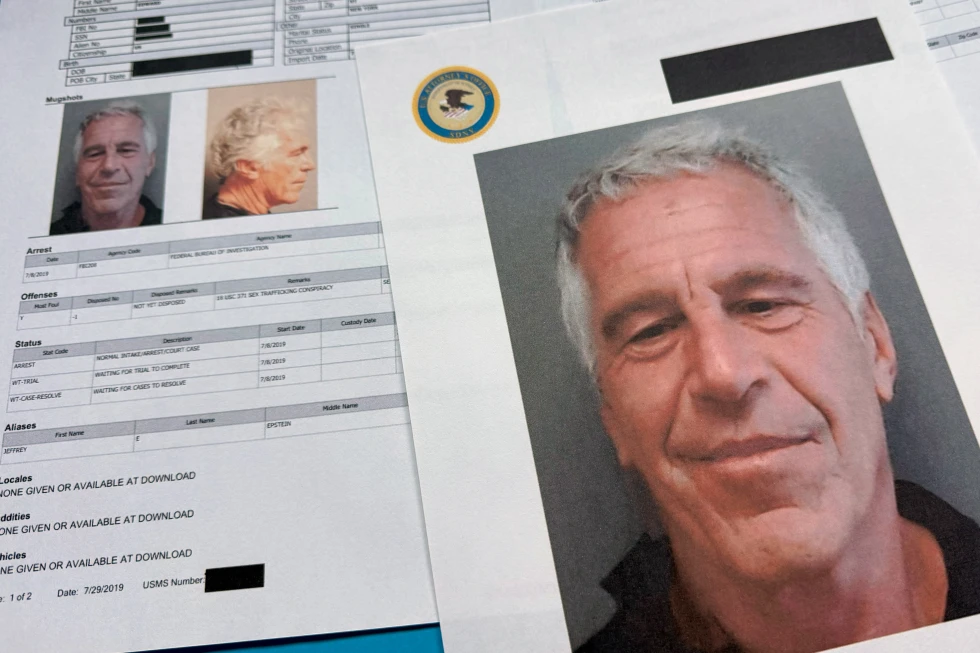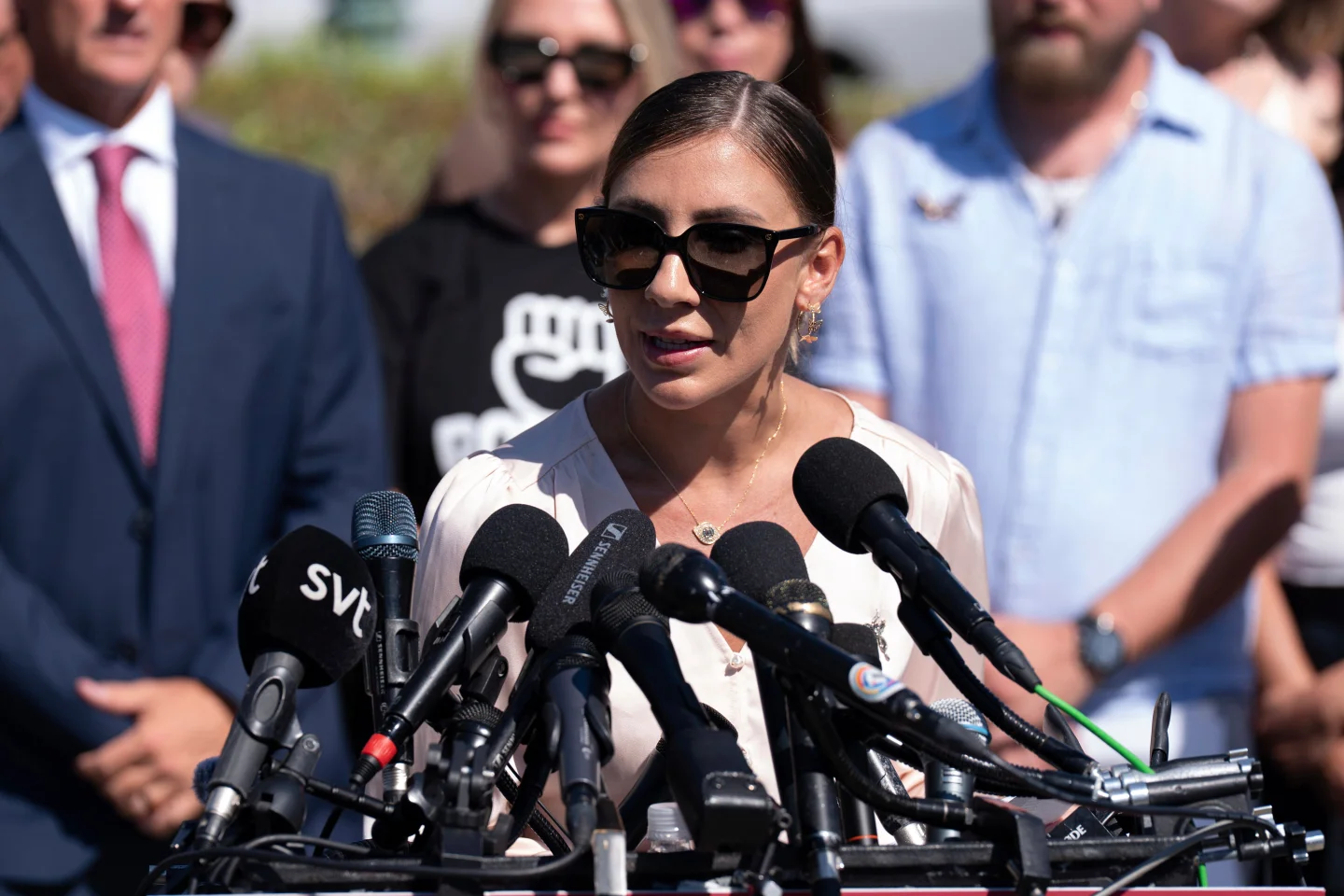
For many survivors of Jeffrey Epstein's abuse, the impending release of U.S. government files represents not only a chance for justice but also a reckoning with their past. Marina Lacerda, who was only 14 when Epstein began sexually abusing her, hopes that the documents will shed light on her traumatic experiences, expressing her fears that the government possesses more knowledge about her life than she does.
Recent legislation signed by President Donald Trump mandates the Justice Department to publicize documents amassed through years of investigations into Epstein’s sexual misconduct. Lacerda, now 37, has long awaited this transparency, stating, We have waited long enough. We’ve fought long enough. However, the specifics of what these files will reveal remain uncertain.
Historical accounts indicate that investigations into Epstein began in the mid-2000s, yet progress was stymied by a controversial plea deal that allowed him to serve minimal jail time for serious charges. Jena-Lisa Jones, another survivor, reflects on her own abuse and the missed opportunity to confront Epstein in court before his death by suicide in 2019.
For Lacerda, the files could also aid in her healing process, providing much-needed clarity about the trauma she experienced during her formative years. She recalls being lured by the promise of payment for massages at Epstein's mansions, only to find herself ensnared in a cycle of abuse that lasted until she reached 17.
The potential contents of the files prompt Lacerda to wonder if they include photographs or videos documenting the abuse, which would be deeply unsettling yet necessary for her recovery. It will be re-traumatizing, but it’s transparency — and I need it, she remarked, emphasizing the conflict between her desire for knowledge and the painful reminders it could evoke.
However, alongside optimism about the release, there's an underlying dread that echoes the sentiments of many survivors. Lacerda expresses fear that political shifts might skew the integrity of the documents or protect those complicit in the abuse. Other survivors share similar apprehensions, fearing harassment and exposure if their identities are revealed through these disclosures.
While Haley Robson, another abuse survivor who advocated for the unsealing of court documents, remains vigilant against potential manipulation of the truth, she also allows herself to celebrate this moment of potential justice. It's a complex blend of hope and trepidation as they all await the unveiling of Epstein's files, uncertain yet yearning for a collective accountability that has long been denied.