In a swift turn of events this week, two prominent congressmen, Rep. Eric Swalwell (D-CA) and Rep. Tony Gonzales (R-TX), announced their resignations amidst serious allegations of sexual misconduct involving staff members. Their departures raise crucial questions about the state of accountability and change in Congress.
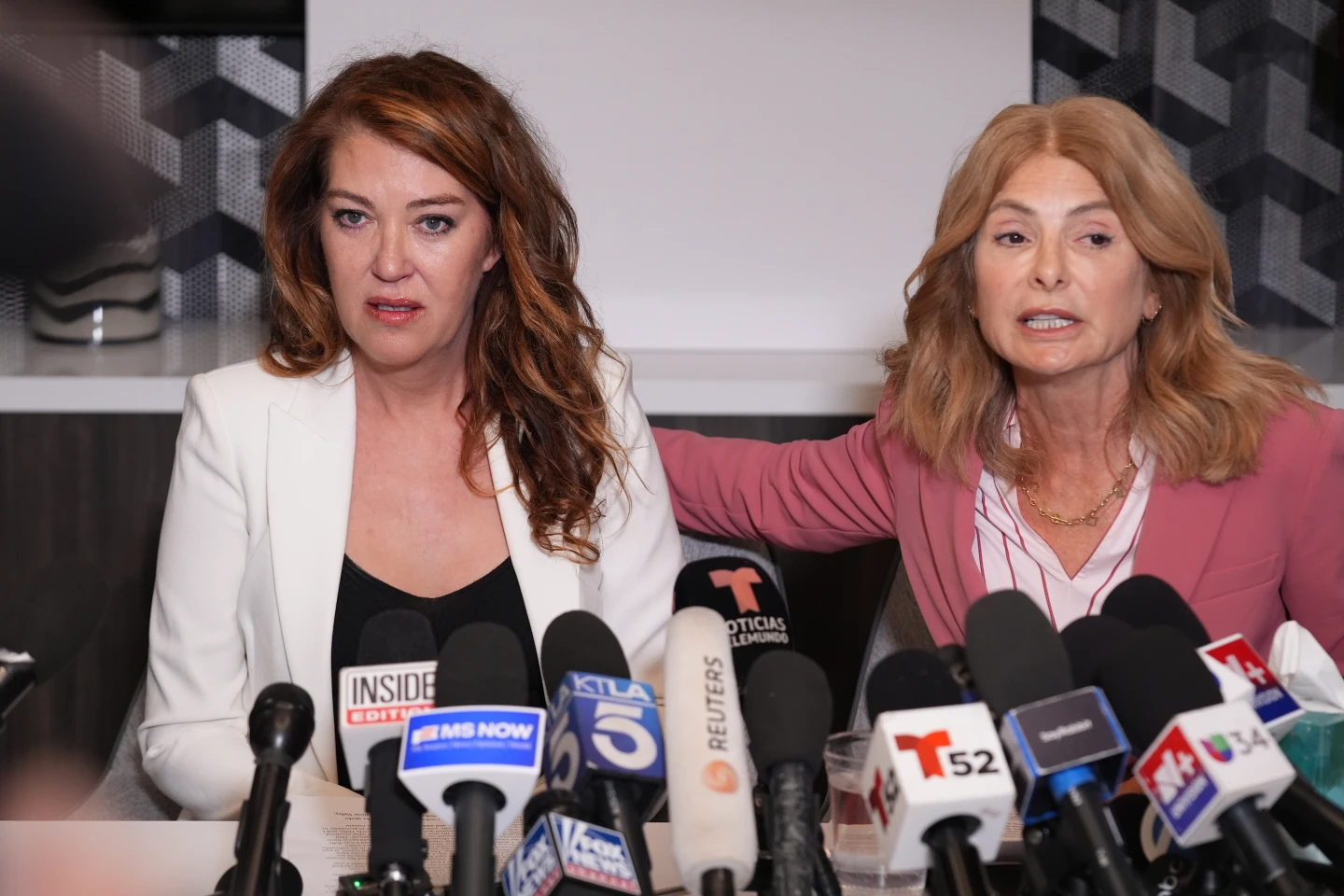
Both resignations came just as the House was set to reconvene, amid mounting pressure from a bipartisan coalition of women lawmakers who threatened to push for expulsion if action was not taken. Swalwell's allegations date back several years and include claims of sexual assault, while Gonzales faced public scrutiny following an admission of an affair that coincided with the tragic death of a staff member.
Rep. Alexandria Ocasio-Cortez remarked on the significance of these resignations, stating, Today was an important turning point...that abuse of power should never be accepted in public office. Furthermore, feminist legislators voiced that this was merely a beginning step, emphasizing that complete reform is essential to ensuring a safe working environment on Capitol Hill.
Recent actions to address misconduct in Congress follow the wake of the #MeToo movement, contributing to renewed calls for reforms. As a result of these incidents, advocates are pushing for stricter regulations on workplace conduct, including barring sexual relationships between staff and members of Congress.
Despite efforts to implement training sessions on harassment and create a more transparent reporting system for such incidents, former Congresswoman Jackie Speier highlighted ongoing inadequacies. She implores House Leadership to take more decisive measures to protect women in the workplace.
The push for reform has galvanized not only Democratic women but also an emerging contingent of Republican legislators. Reps. Nancy Mace and Anna Paulina Luna have assiduously campaigned for greater accountability in the House, echoing sentiments that the American public stands for an overhaul of the current practices.
Amidst these developments, many voices within Congress reflect on the gravity of their roles, acknowledging the pressing need for introspection surrounding personal conduct and the overarching environment in which staff operate.