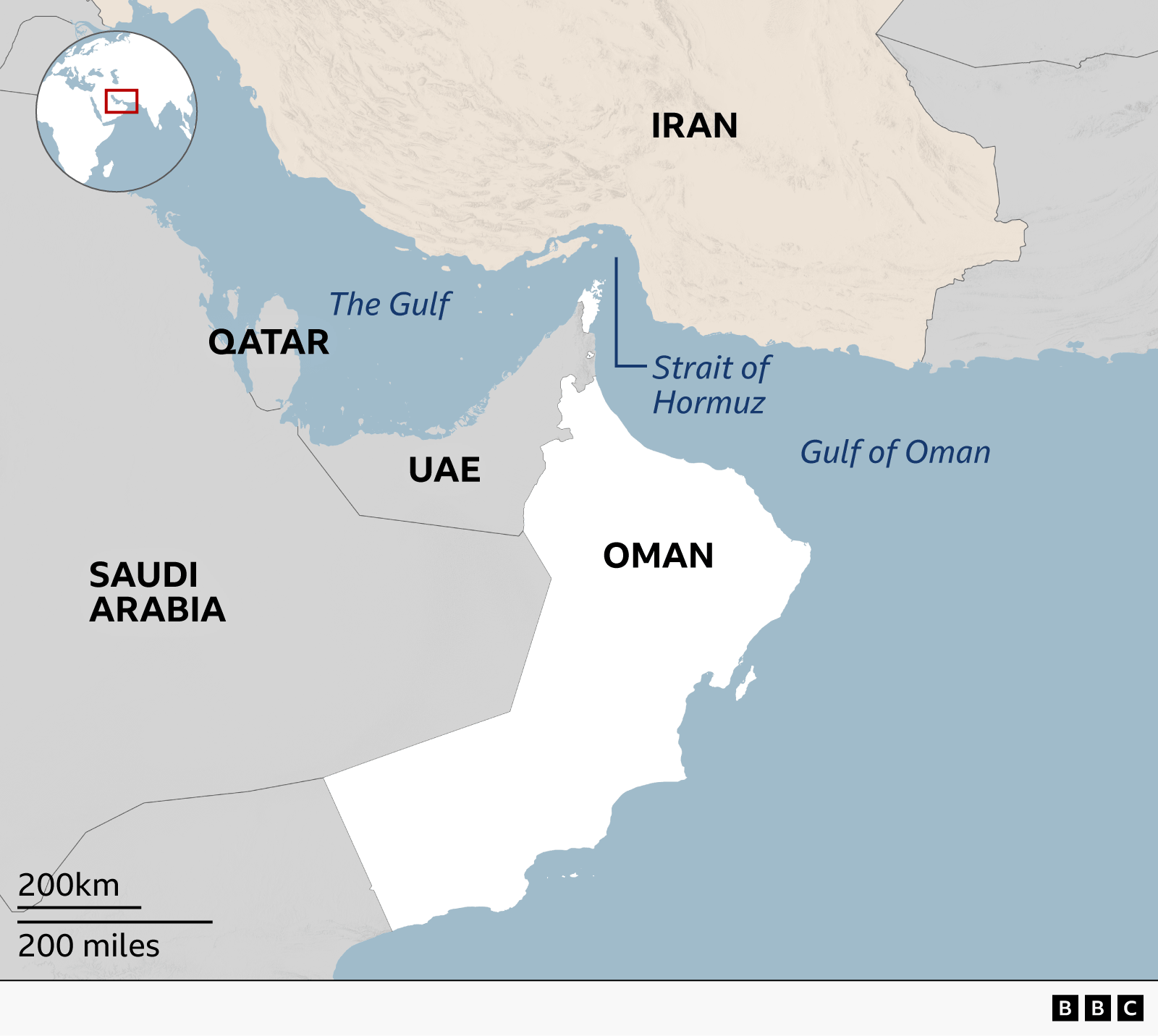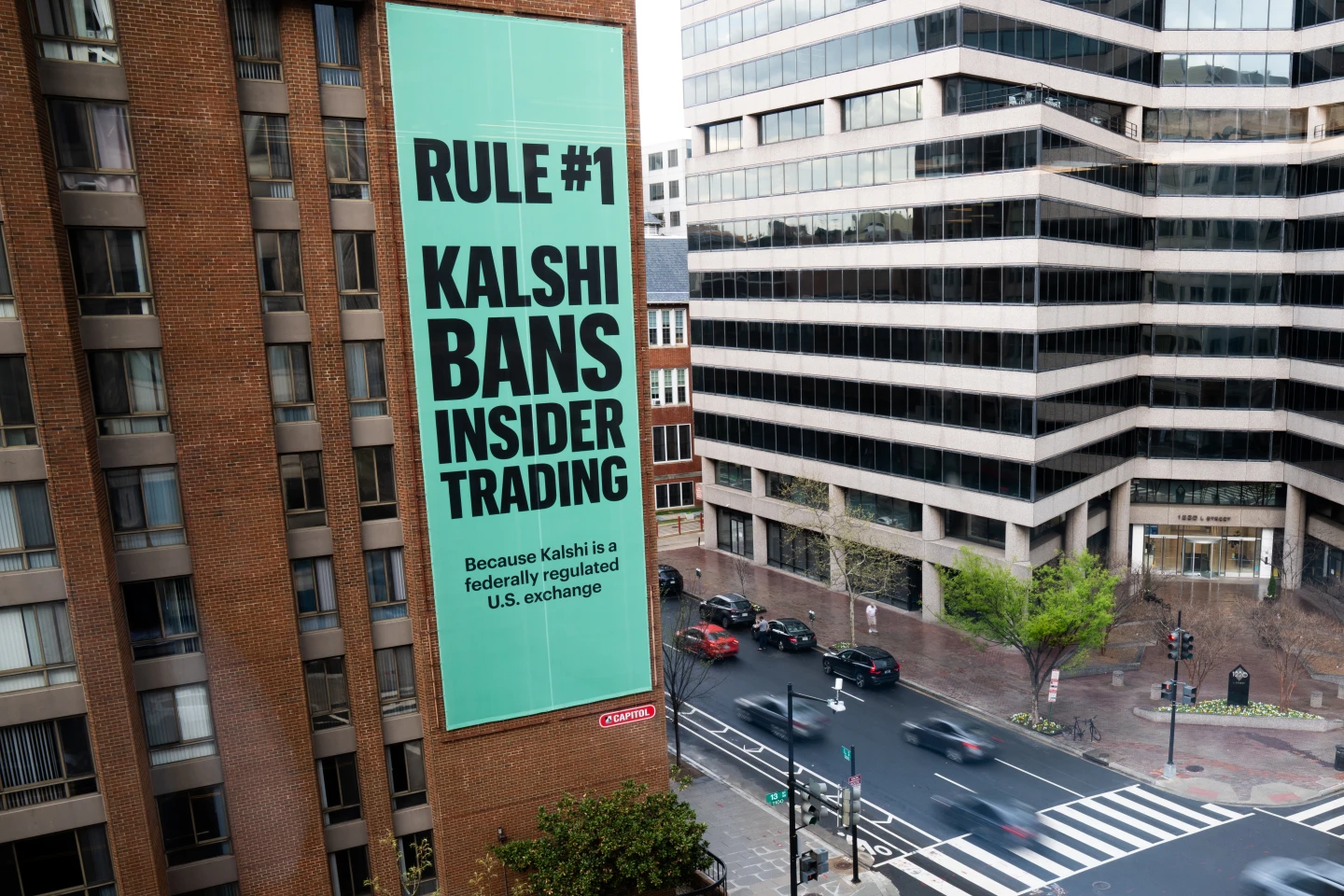
WASHINGTON — As the U.S. was set to undertake a perilous mission to rescue an airman whose jet was shot down in Iran, a troubling trend emerged: the rise of prediction markets allowing users to bet on the timing of the rescue. The trade on Polymarket, a leading prediction market, revealed alarming stakes, with bettors allocating a 63% probability for the airman's rescue on April 4, while only 15% favored April 3.
Rep. Seth Moulton, a Marine veteran and vocal critic, called out this dystopian death market on social media, compelling Polymarket to cease the betting activities, citing integrity concerns. Moulton condemned the phenomenon as war profiteering and urged Congressional intervention to combat it.
The prediction markets have sparked a polarizing debate in Washington, engaging bipartisan interests who agree on the need for regulatory protections against insider trading, particularly concerning sensitive military operations. Senior regulators were pressed during a recent congressional hearing on evident ethical dilemmas posed by these markets.
Kristin Johnson, a former Commodity Futures Trading Commission (CFTC) commissioner, remarked on the swift national discourse regarding market integrity, as observers note the past slow responses to issues surrounding tobacco and opioids.
Polymarket, established in 2020, has faced particular scrutiny for allowing offshore betting that circumvents U.S. regulation, indirectly raising significant discussion on regulation and ethical implications of trading on human life. In stark contrast, Kalshi, its main competitor, is promoting a regulated model and openly advocating for oversight.
Recent events illustrate deeply concerning opportunities for betting based on insider knowledge, leading to legislative proposals aimed at imposing restrictions on federal employees and their families from utilizing nonpublic information for profit in prediction markets.
Critics like Sen. Todd Young and Rep. Elissa Slotkin aim to tighten existing regulatory frameworks to enhance transparency and ensure public trust in government activities, expressing that prediction markets introduce risks to national security and informed decision-making that rely on integrity.
As this issue unfolds, federal officials are also facing pressure to define clear regulations amid a rising push for accountability, with the debate drawing attention and condemnation across multiple fronts in Washington.