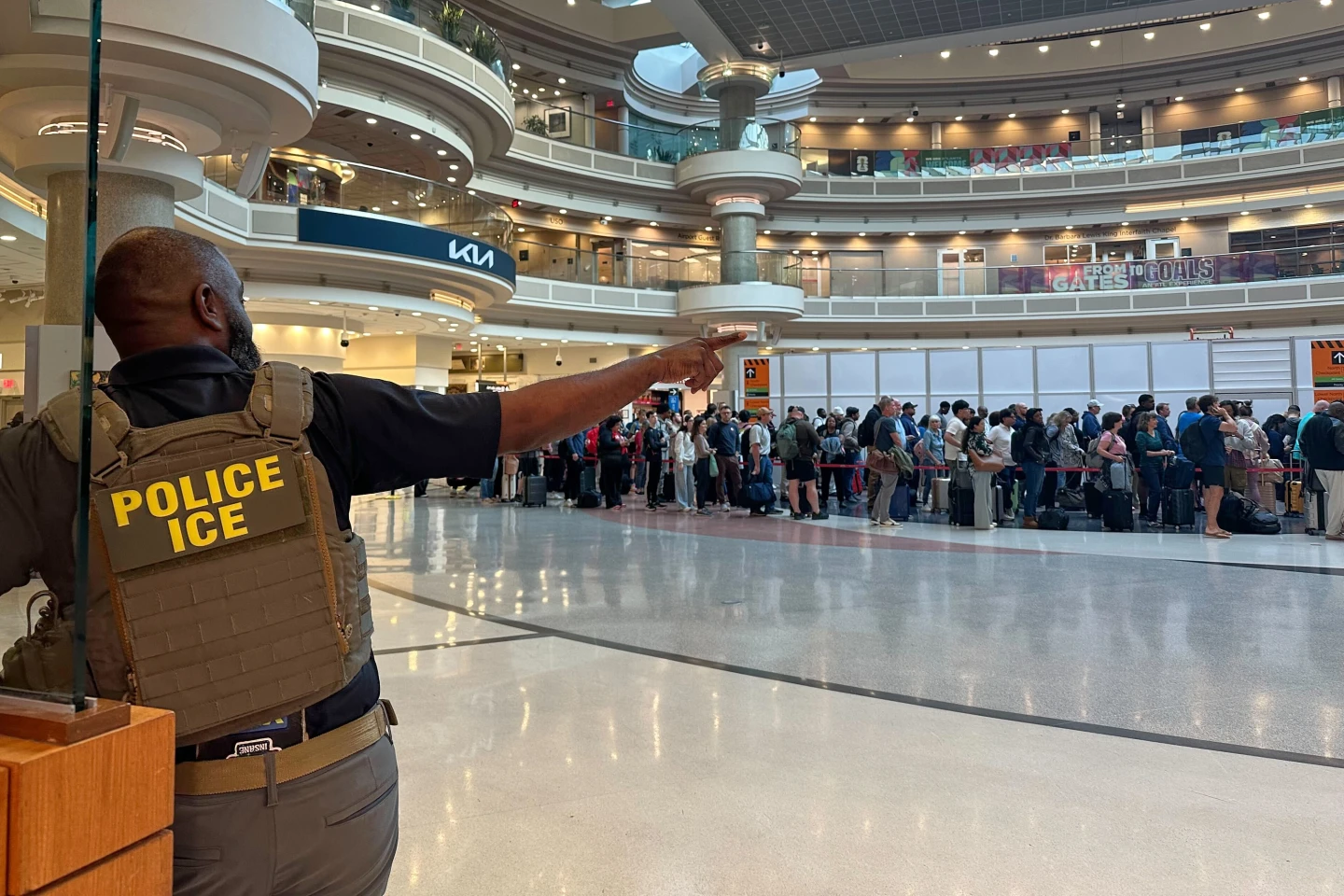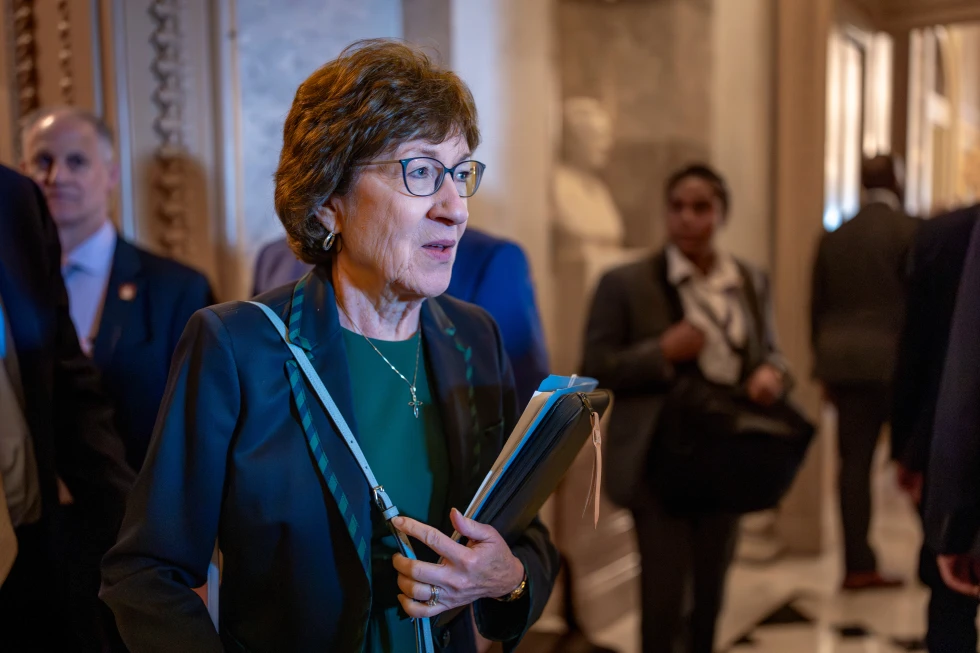
PORTLAND, Maine (AP) — U.S. Senator Susan Collins announced on Thursday that U.S. immigration officials have halted their enhanced operations in Maine, following a controversial enforcement surge that resulted in more than 100 arrests last week.
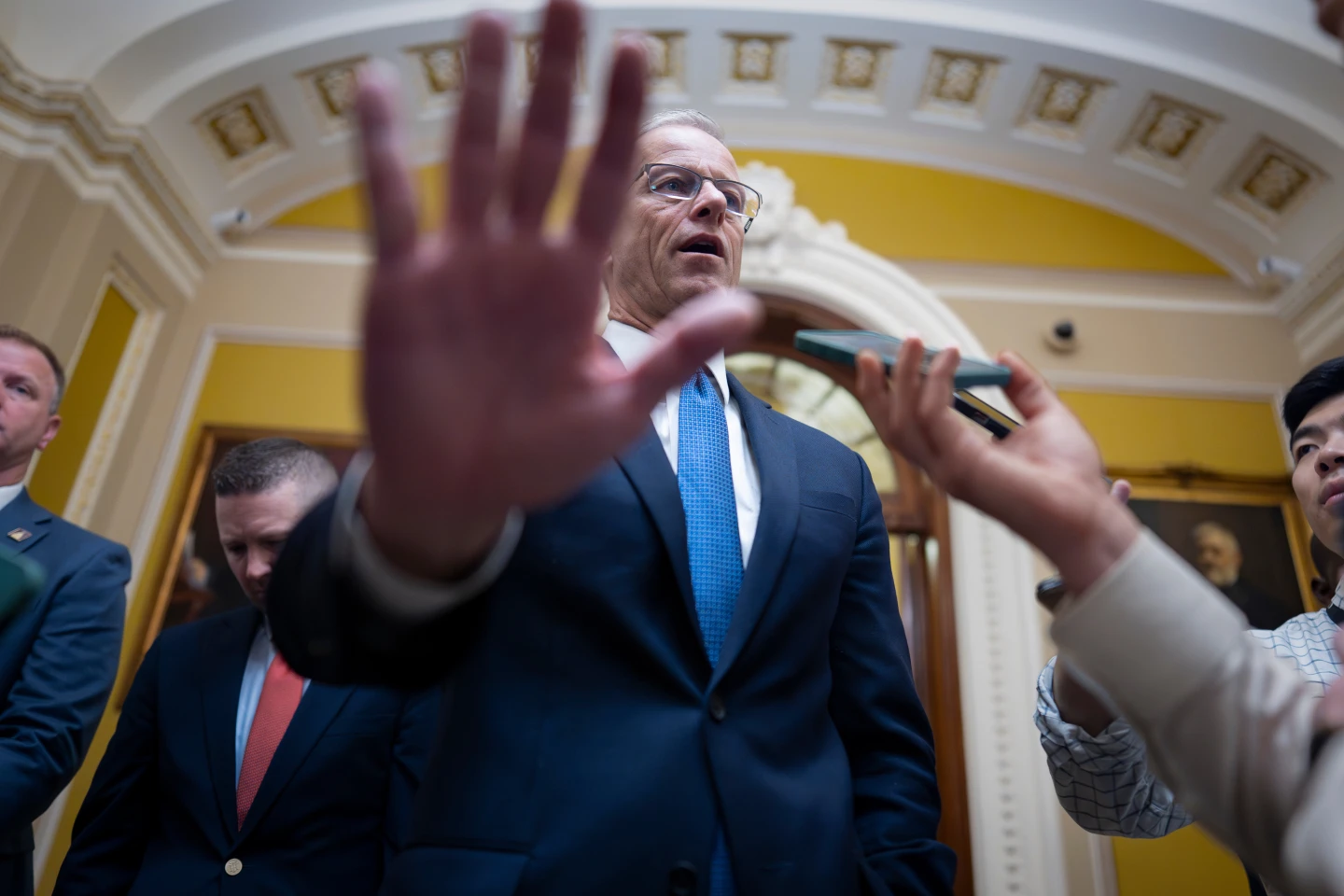
This announcement came after Collins engaged in direct communications with Secretary of Homeland Security Kristi Noem, reflecting the growing concern over ICE's methods. There are currently no ongoing or planned large-scale ICE operations here, Collins stated. I have urged Secretary Noem and others in the Administration to reconsider ICE's approach to immigration enforcement in our state.
The halt to operations follows a tense period marked by heightened scrutiny on ICE, particularly after a second deadly incident involving federal immigration agents in Minneapolis sparked outrage. Collins noted that conventional operations by ICE and Border Patrol—which have been in place for years—will continue.
The enhanced operations, dubbed "Catch of the Day" by ICE, reportedly targeted around 1,400 individuals, with about 50 arrests on the first day alone in a predominantly rural state with a foreign-born population of only 4%.
Assistant Secretary for Homeland Security, Tricia McLaughlin, later indicated that amongst those arrested were individuals convicted of serious crimes, adding a layer of complexity to the public's perception of these operations.
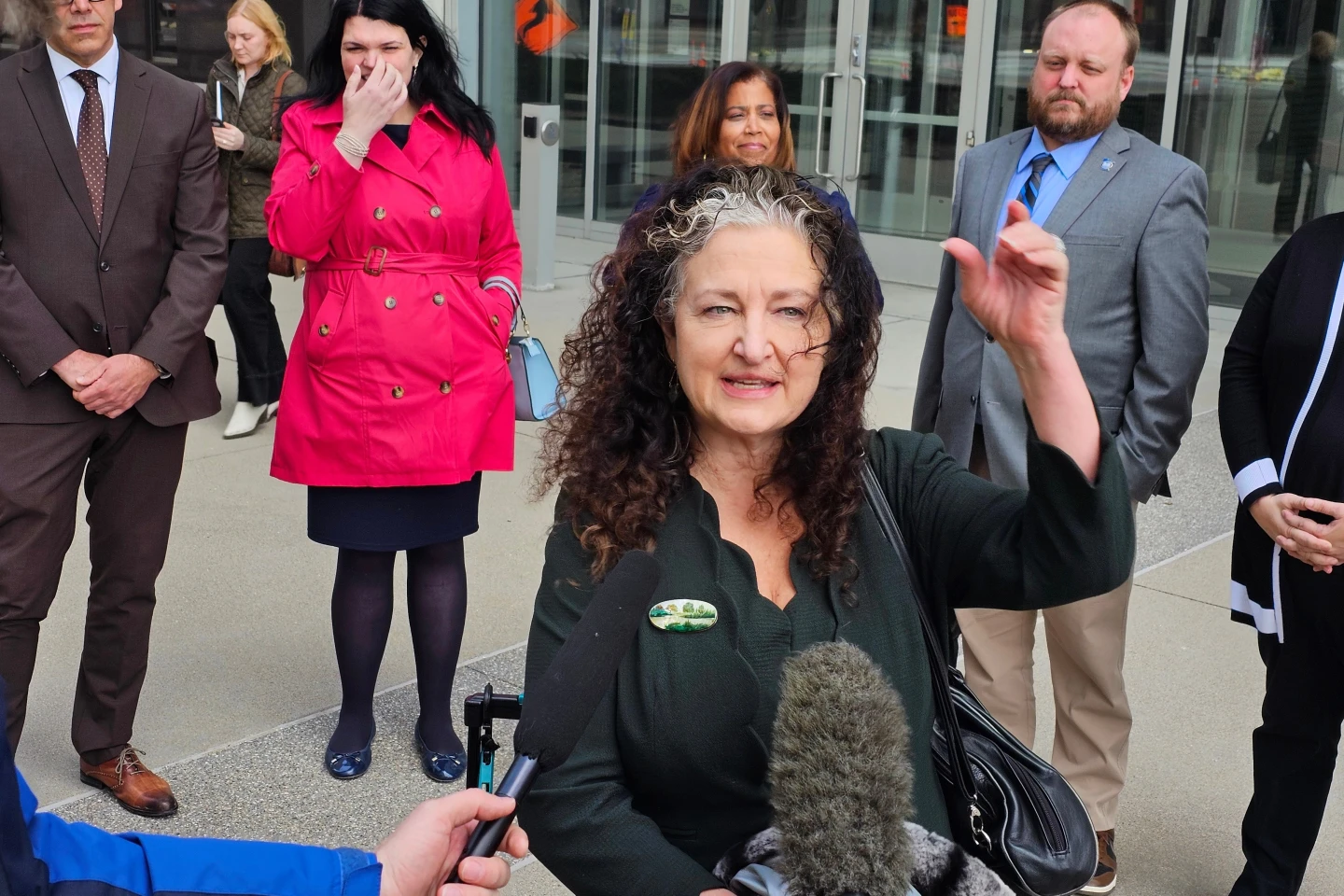
Maine's Democratic Governor, Janet Mills, who has announced her candidacy for the upcoming election, criticized the ICE actions and demanded transparency. Mills urged ICE to provide judicial warrants and more information about those detained, highlighting the need for oversight in immigration enforcement practices.
Despite Mill’s push for accountability, Collins has generally refrained from publicly condemning ICE's tactics, instead suggesting policy reforms such as body cameras for ICE agents to enhance accountability and build trust within affected communities.
The cessation of ICE's enhanced operations might be a temporary reprieve, as the underlying tensions and political discussions continue to evolve. The situation remains fluid, with various stakeholders vying for influence over how immigration enforcement will be managed moving forward.