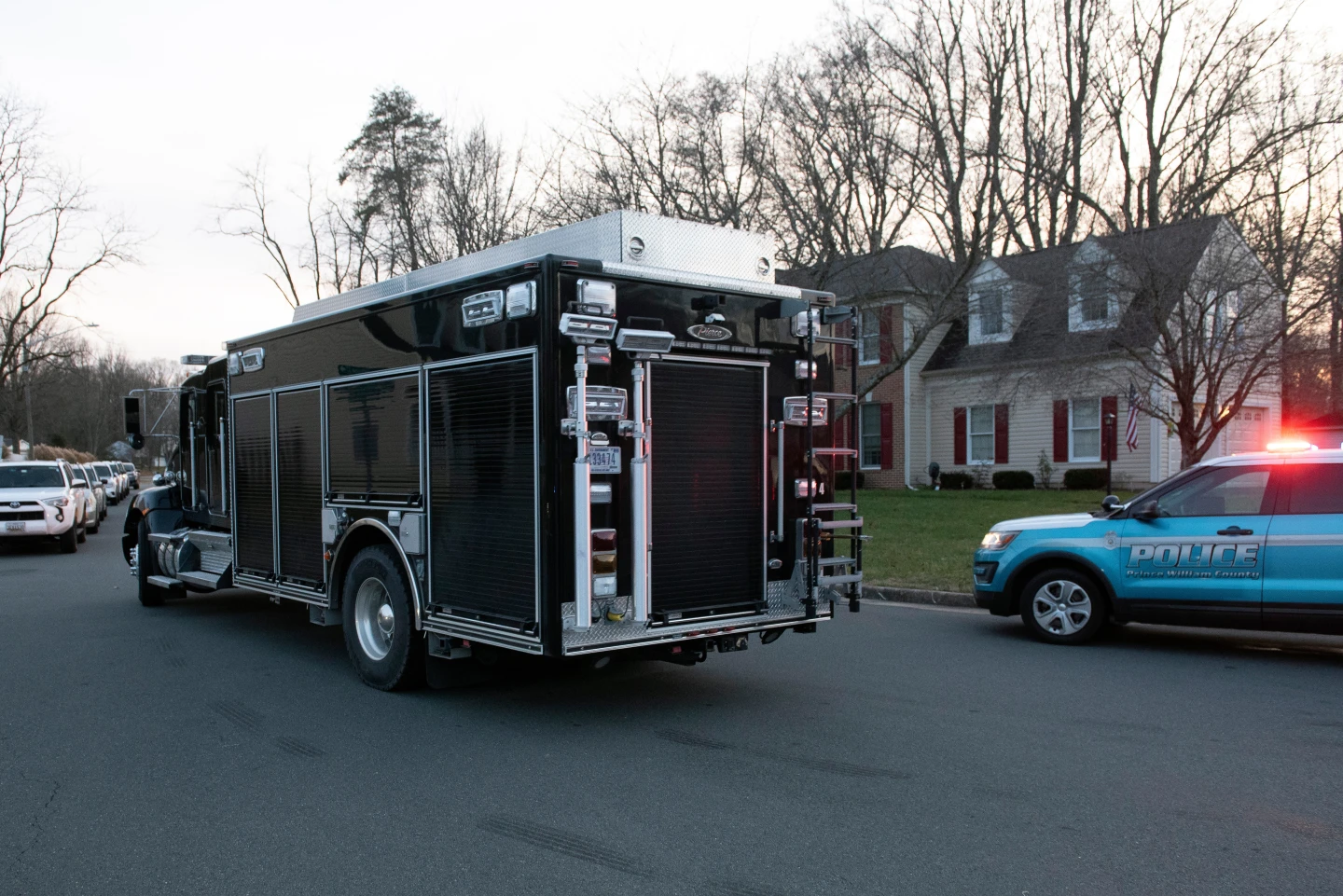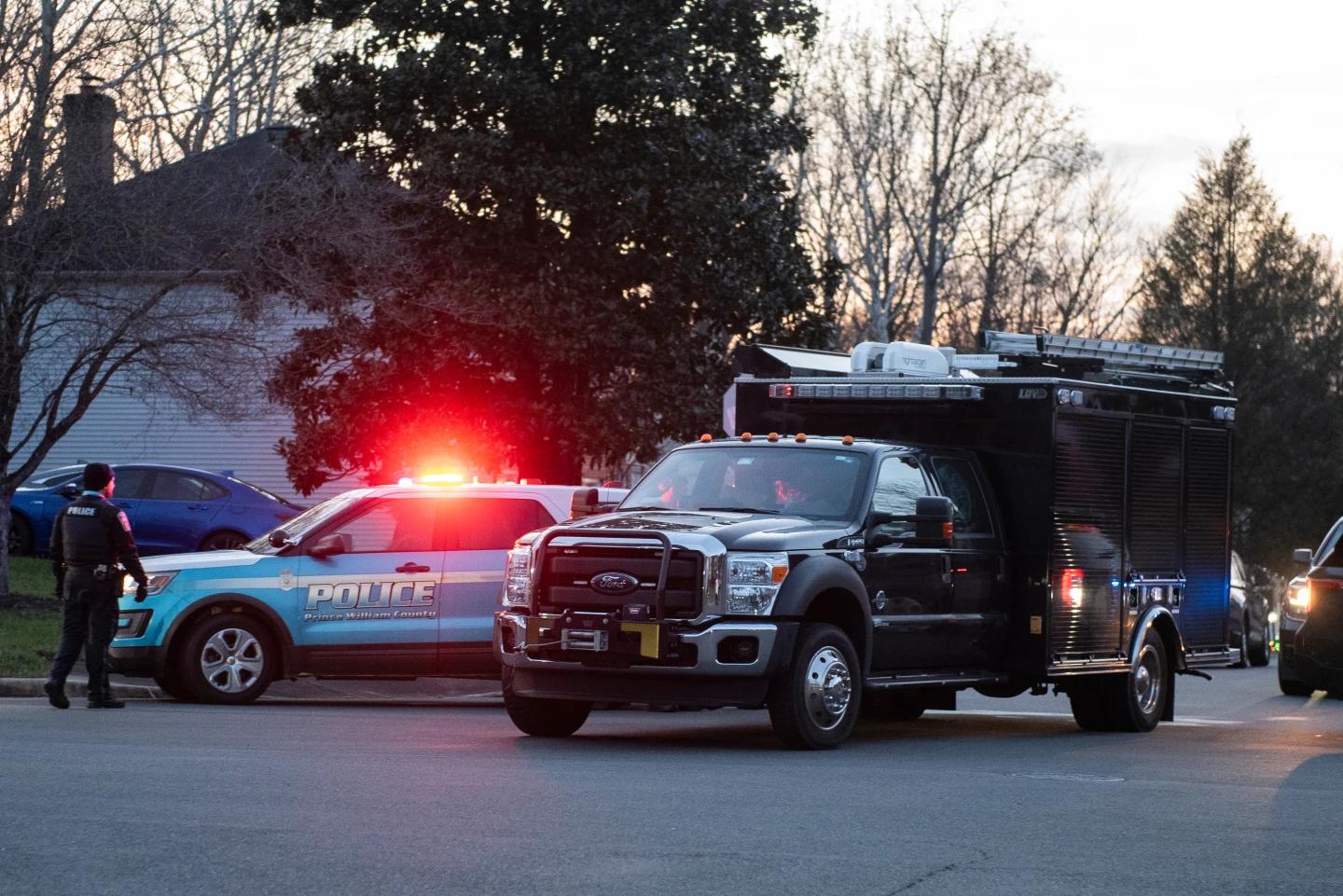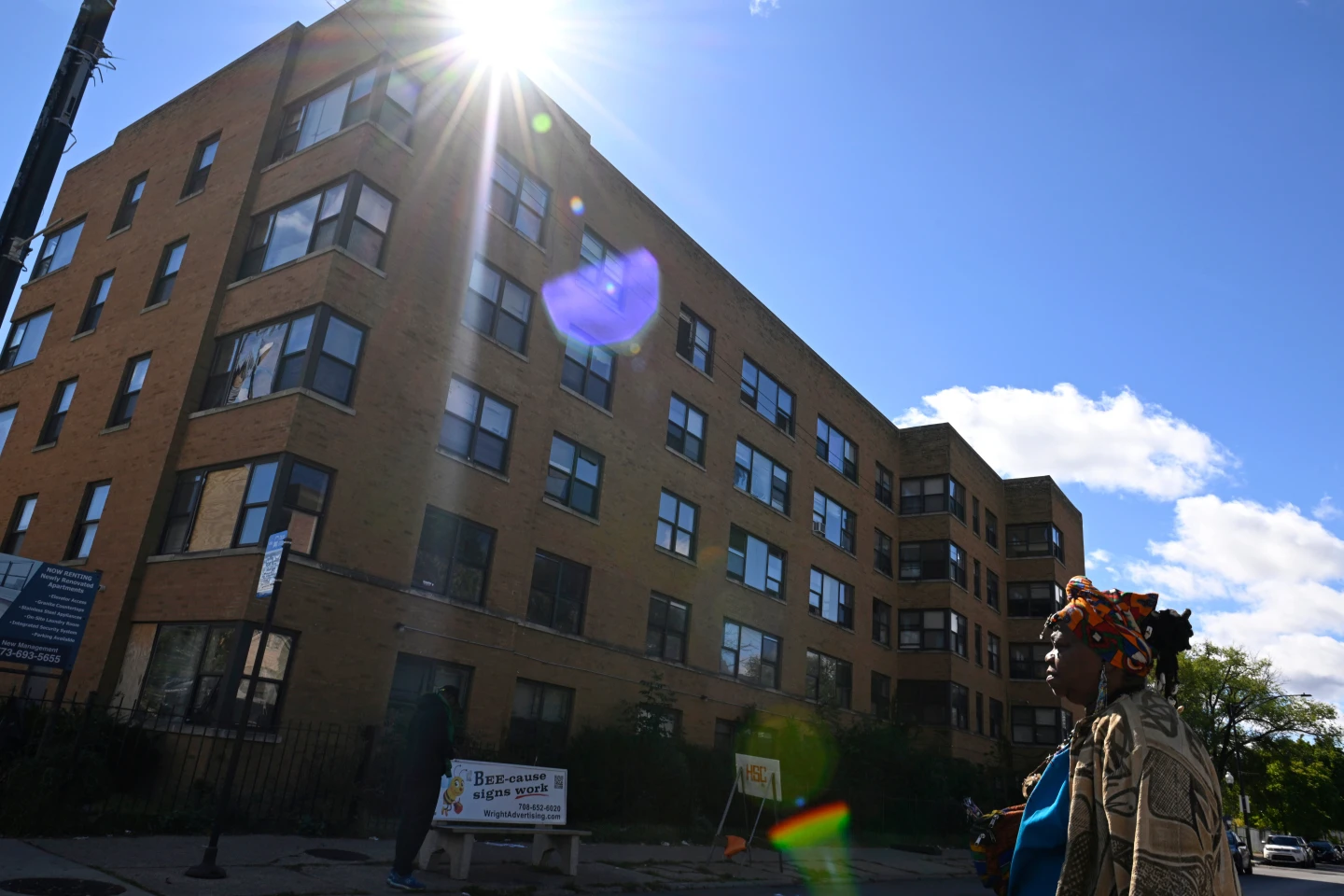
CHICAGO (FluxDaily) — A recent operation in Chicago’s South Shore neighborhood saw a massive deployment of federal agents conducting immigration raids, targeting alleged gang affiliations which have left the local community in shock. Residents reported experiencing an atmosphere akin to an invasion, with agents storming through apartments, guns drawn, and helicopters overhead.
The raid, described as a part of an escalating crackdown on immigration by the federal government, reportedly led to the arrest of 27 individuals, only two of whom were identified as gang members of the Venezuelan Tren de Aragua. However, many locals expressed deep concern that the operation impacted countless innocent residents living in the community.
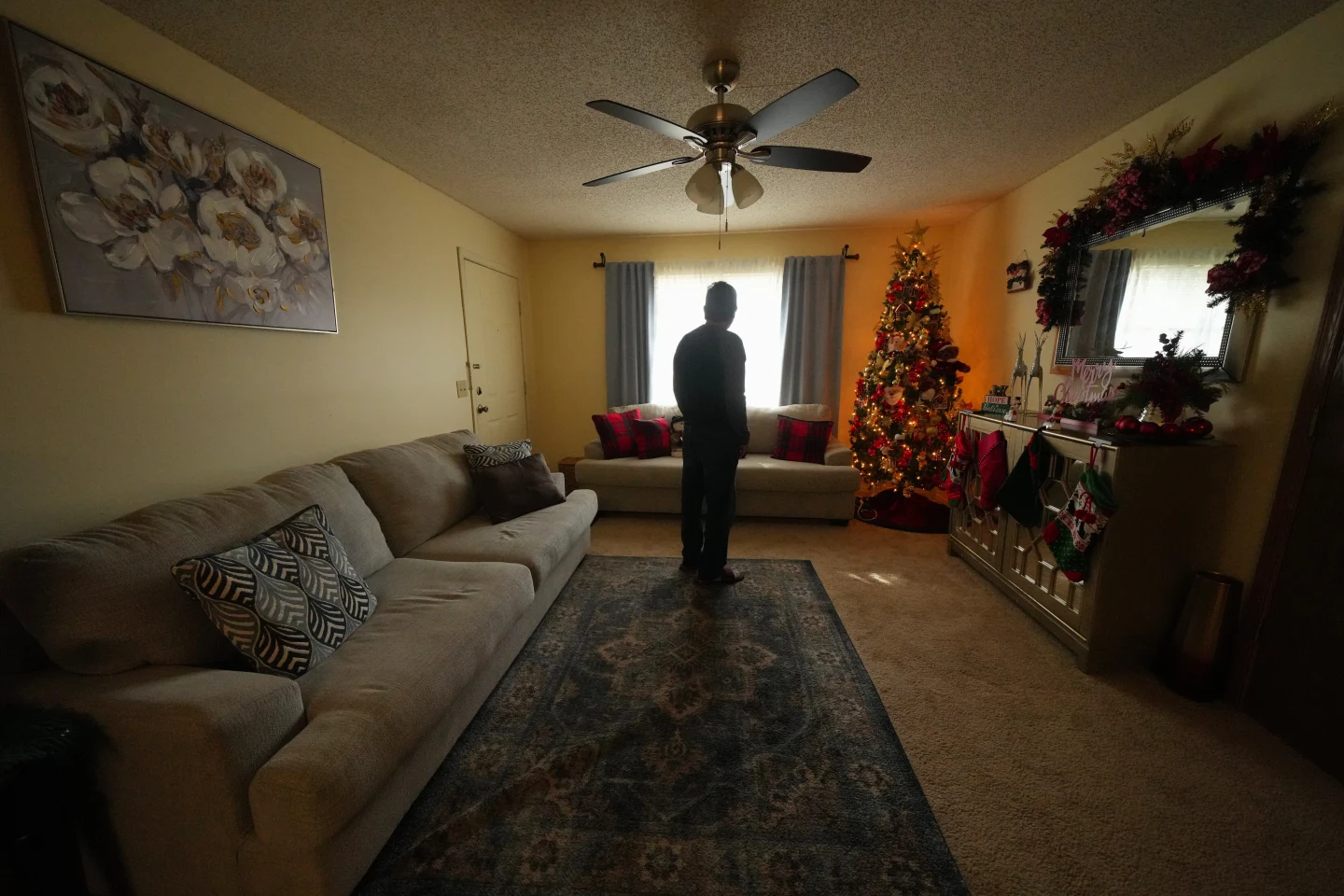
Notably, third-floor resident Tony Wilson, a lifelong South Side inhabitant, recounted his harrowing experience during the raid. It was like we were under attack, he said, describing how he barricaded himself inside his apartment as agents forced others out. He noted that many apartments in the building were left ransacked, a reflection of the raid's severity.
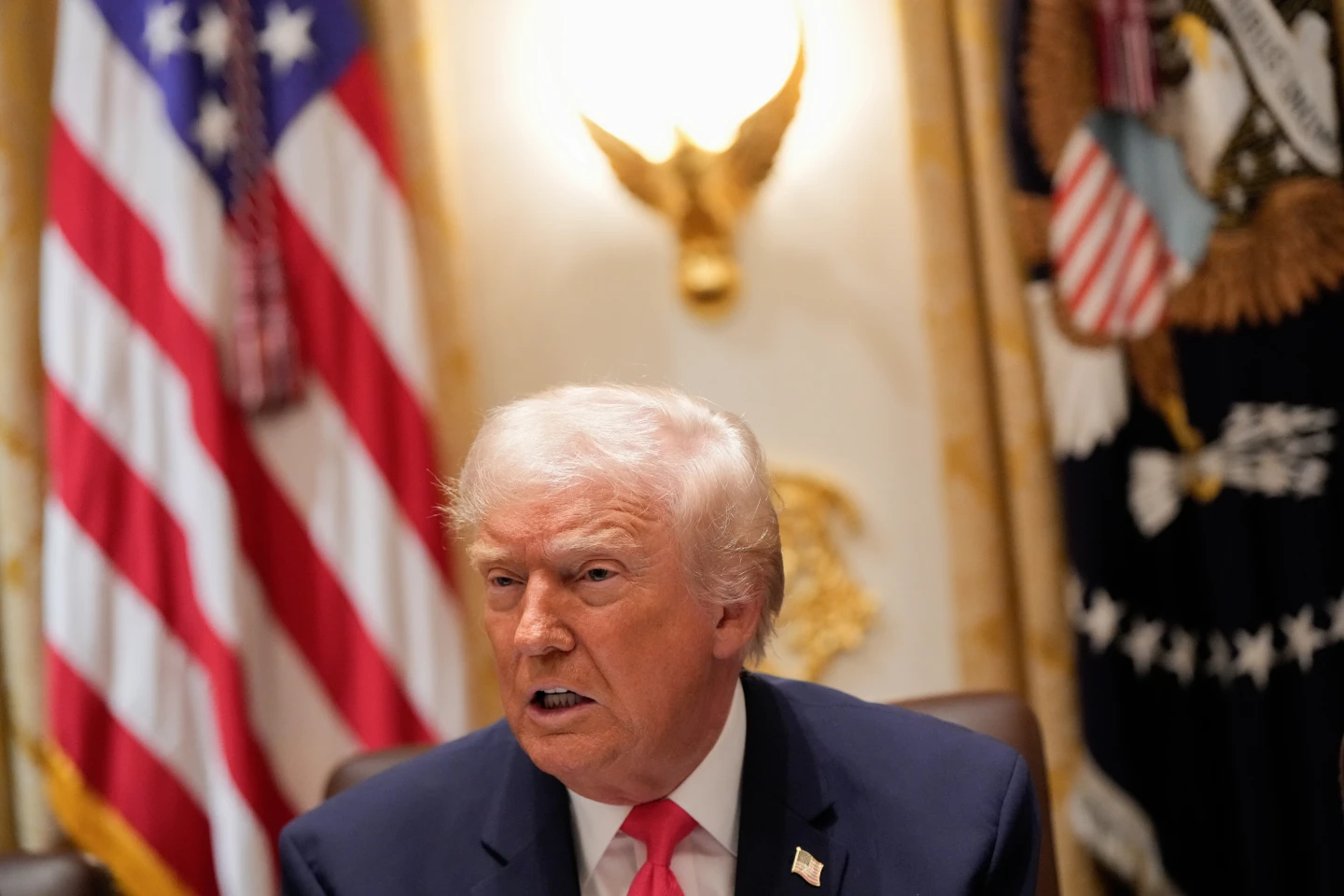
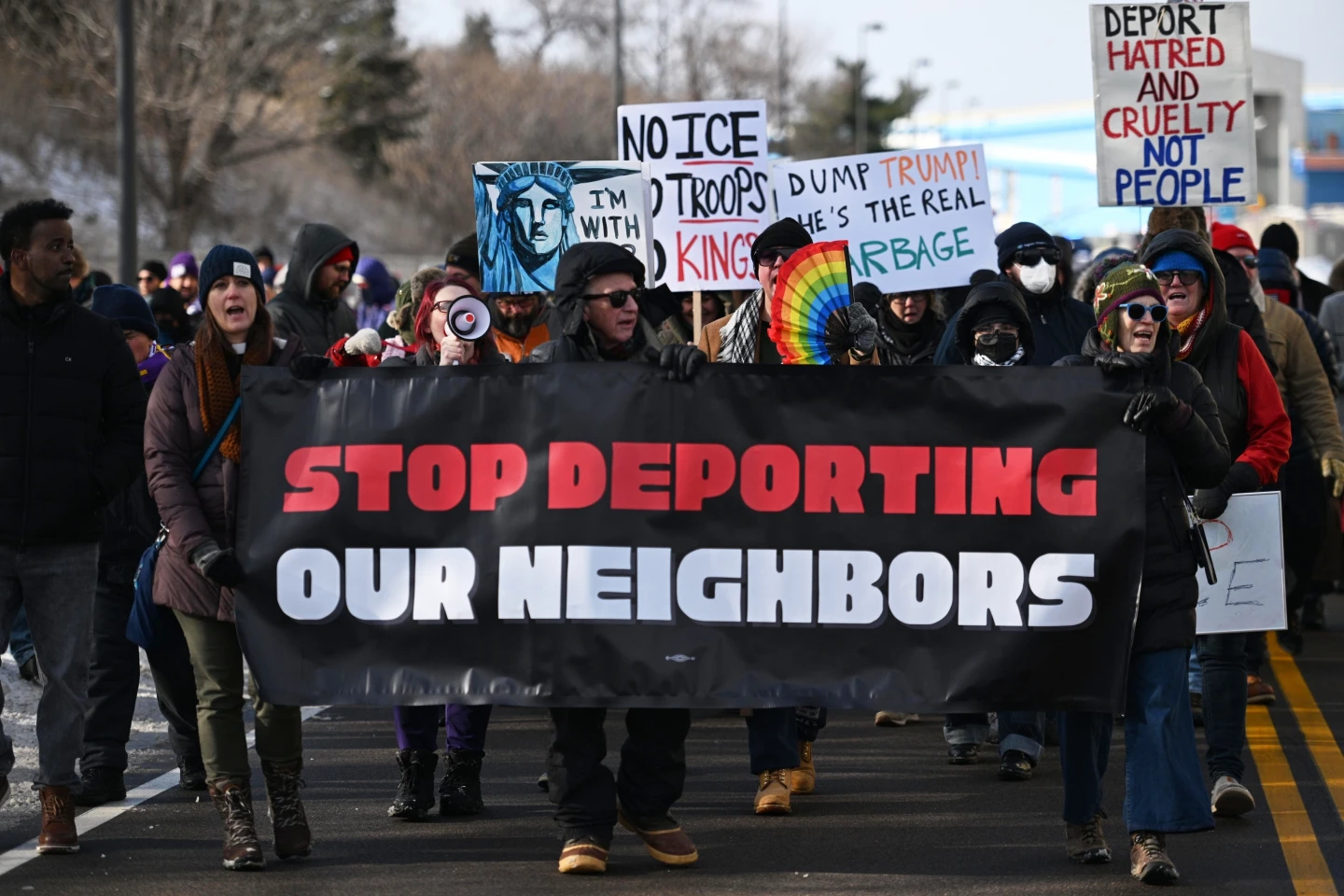
This overwhelming show of force is heightening tensions in an already delicate urban environment, with increasing fears surrounding crime and community safety. Critics, including Chicago Mayor Brandon Johnson, have condemned the aggressive tactics as unnecessary and reflective of a politically charged atmosphere.
As the national conversation around immigration continues to evolve, the situation in Chicago serves as a poignant illustration of the broader struggles faced by communities grappling with change and uncertainty. Wilson's community has seen an influx of immigrants, which some longtime residents perceive as a threat to their livelihoods and safety.
The Reality of South Shore
South Shore, a historically vibrant neighborhood, has long been home to diverse populations. However, the recent raids have intensified ongoing tensions between new arrivals and established residents, many of whom feel marginalized and overlooked.
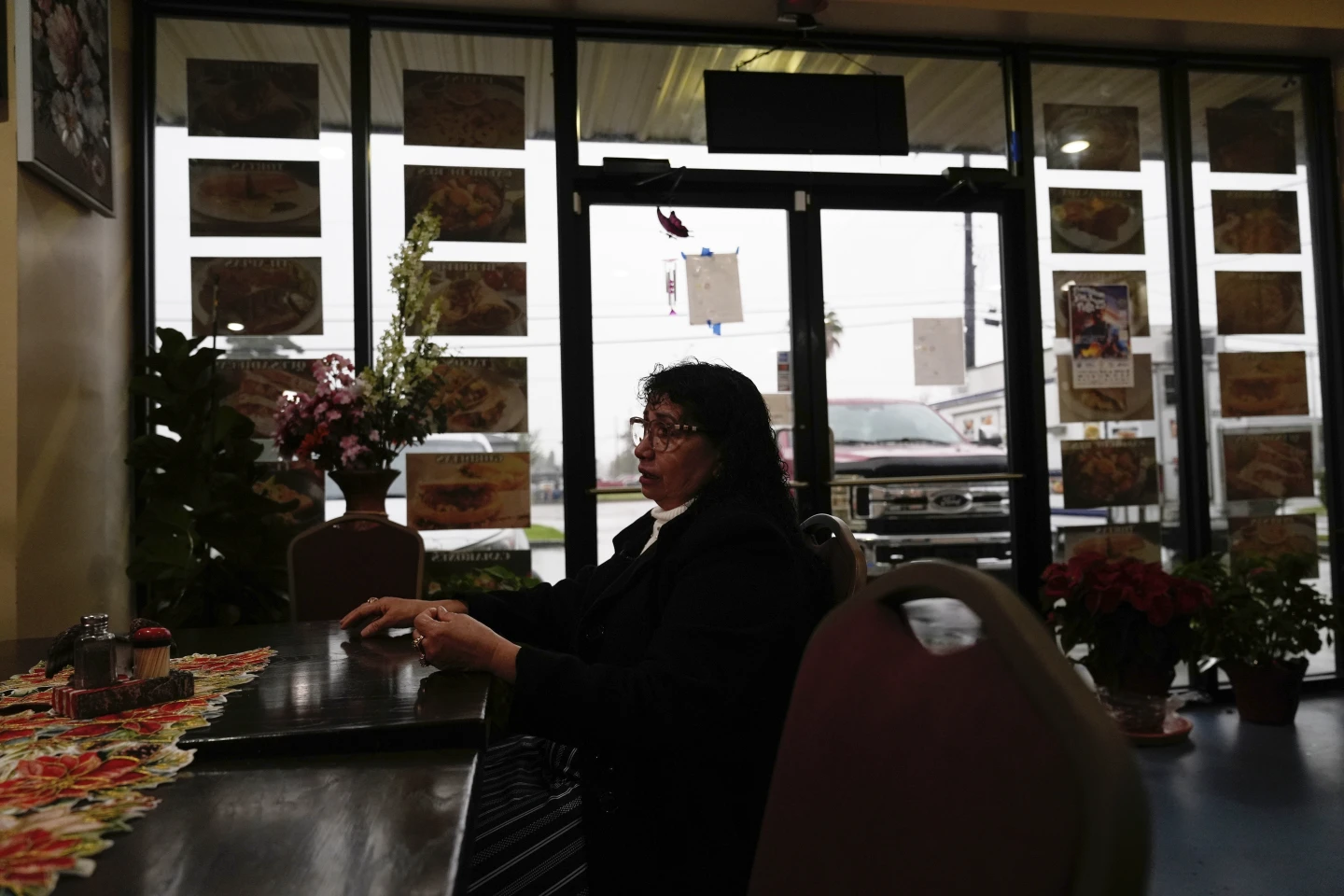
Locals have expressed concerns that immigrant assistance programs prioritize newcomers over long-time residents, leading to feelings of resentment. Pastor Kenneth Phelps highlighted a narrative of division where many Black residents believe they are being neglected in comparison to the treatment of recent immigrants.
As local leaders attempt to mitigate the fallout from these raids and bridge divides, the question remains whether the federal government's approach to immigration will foster a more harmonious community or exacerbate existing fears and tensions.