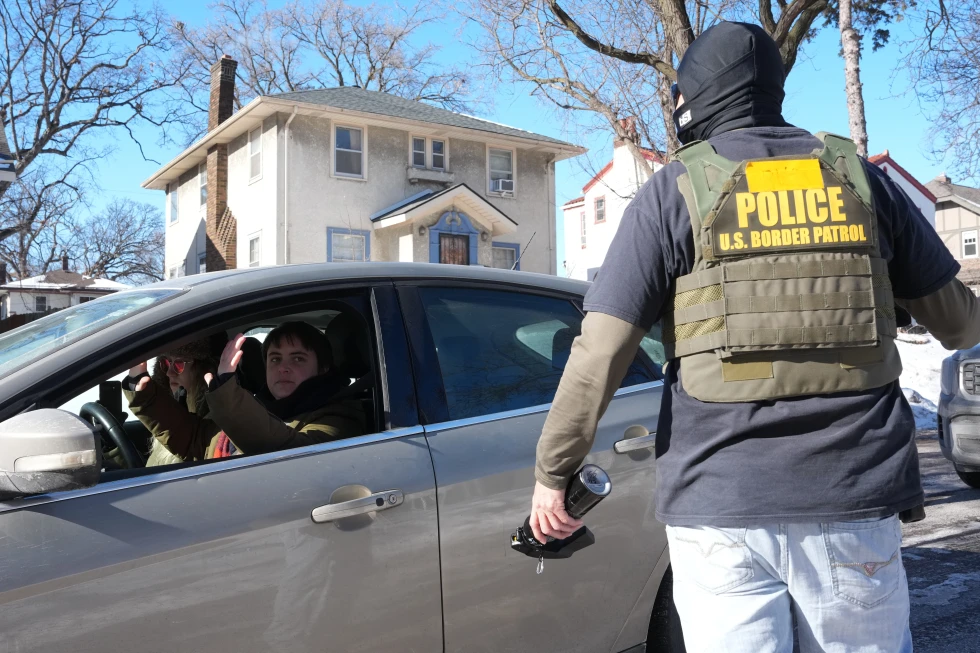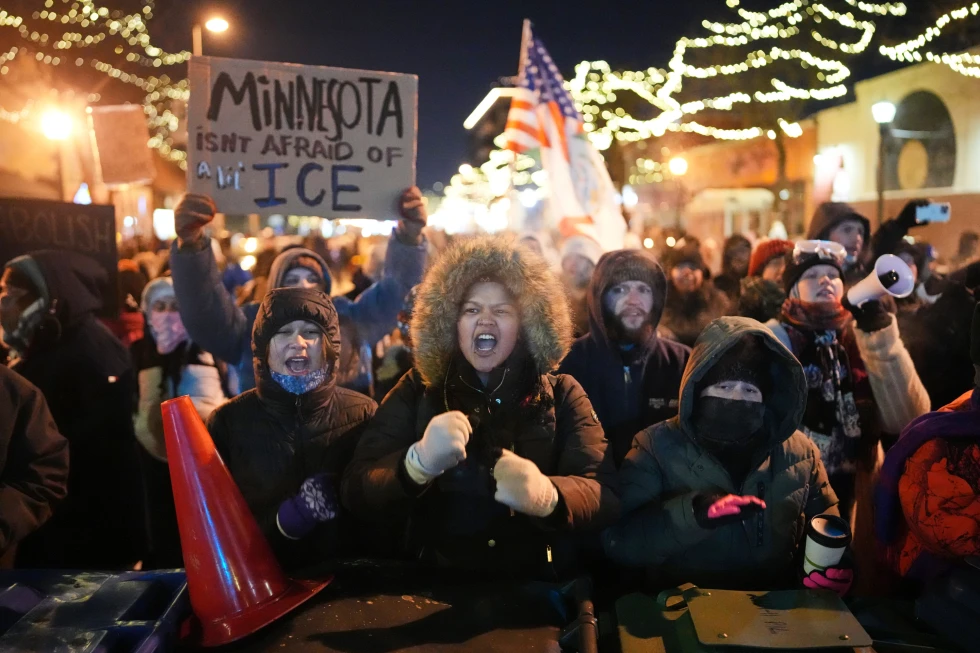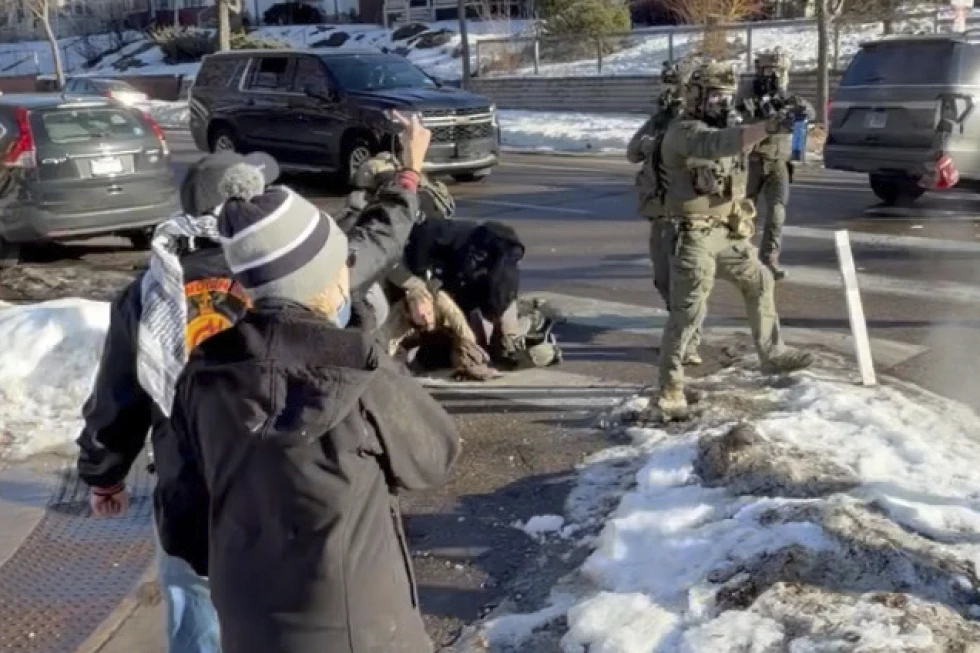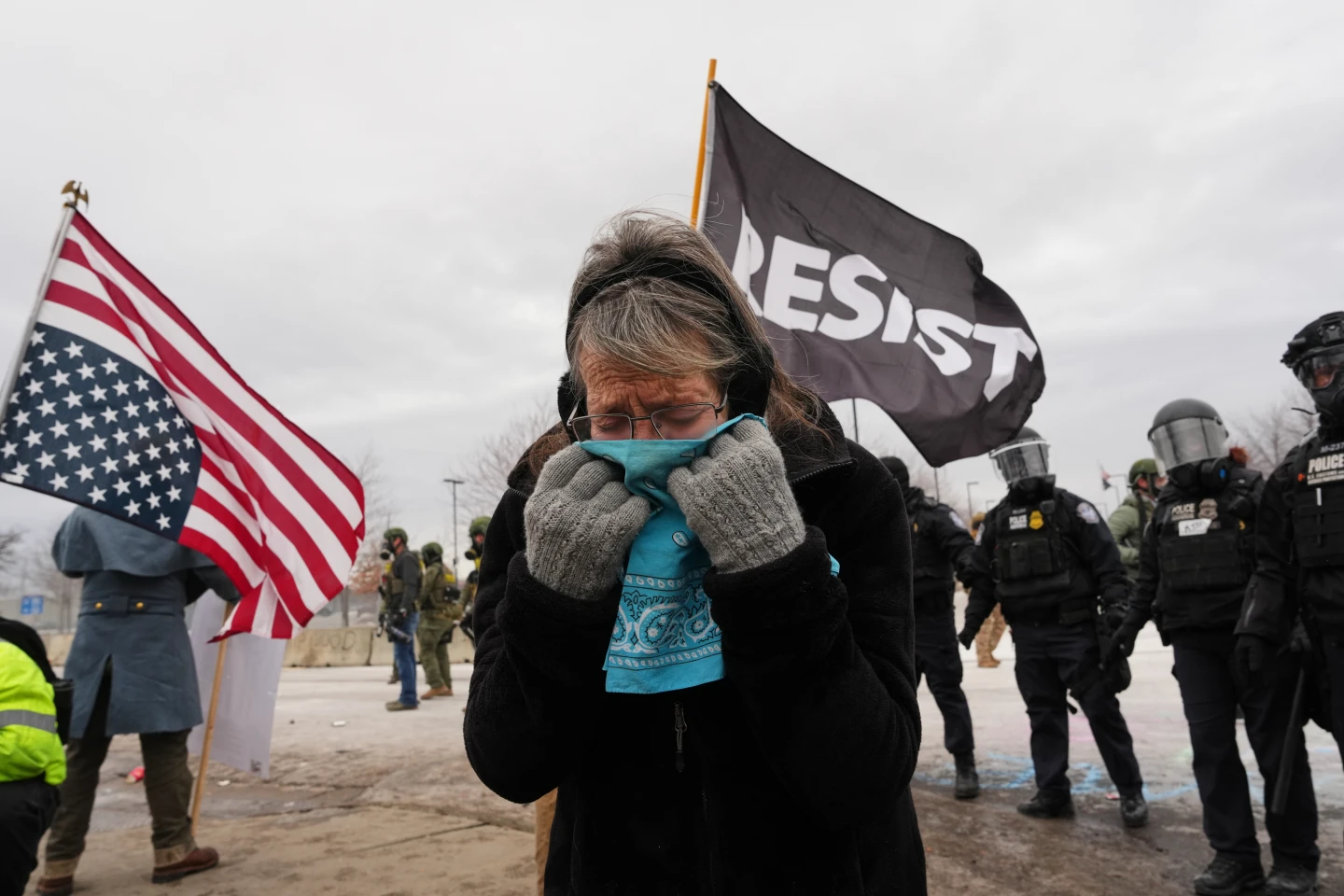
Federal immigration agents deployed to Minneapolis have utilized aggressive crowd-control tactics, including pointing firearms at demonstrators and using chemical irritants during confrontations, all claimed by the government as necessary for officer protection. However, warnings from law enforcement experts suggest these measures increase risks and are executed by agents inadequately trained for crowd management.
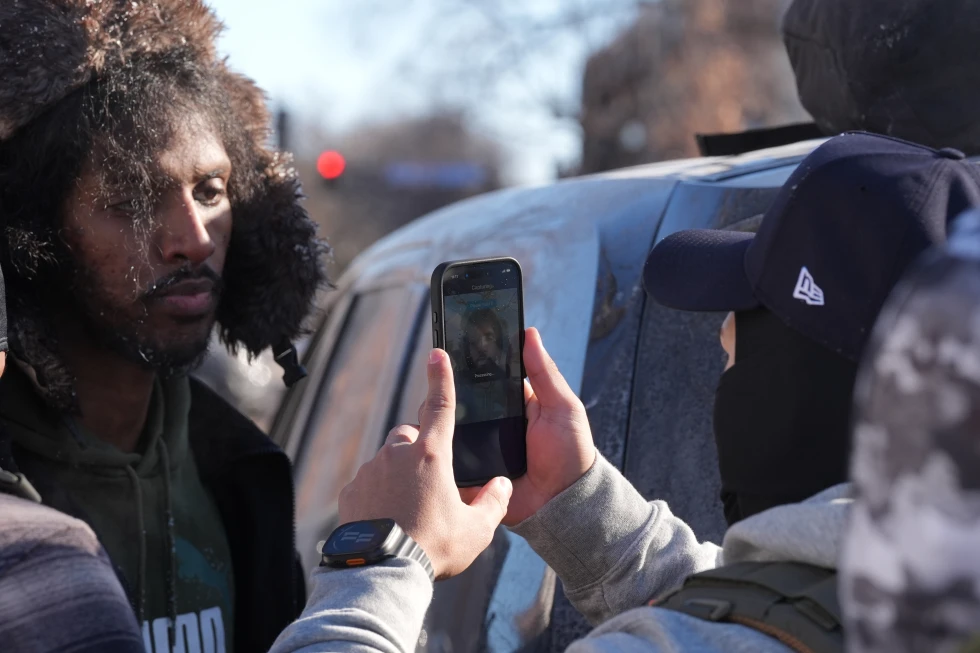
Witness statements and video evidence indicate scenes where federal agents broke car windows, removed passengers, and released crowd-control agents such as tear gas and pepper spray amidst escalated protests. Such tactics may be less warranted in crowd situations compared to targeted arrests.
This heavy-handed approach coincides with an uptick in immigration enforcement ordered by the previous administration, deploying over 2,000 officers into the Minneapolis-St. Paul area, many untrained in handling public demonstrations. Experts criticize this shift, stating it contravenes established de-escalation standards and risks transforming chaotic protests into potential life-threatening situations.
The violence spiked with the fatal shooting of 37-year-old Renee Good by an immigration agent—an event that served to ignite widespread demonstrations and scrutiny of federal response strategies. Following the incident, the American Civil Liberties Union (ACLU) of Minnesota has filed a federal lawsuit demanding restrictions on the use of chemical agents and limits on pointing firearms at non-threatening individuals.
Former Immigration and Customs Enforcement (ICE) Director Sarah Saldaña states that the current response is atypical for immigration operations. The necessity for agents to manage protests calls attention to the notable absence of traditional crowd management training for agents, which typically focuses on individual apprehensions rather than handling crowds. This could culminate in severe consequences amid heightened tensions—not unlike the sentiments echoed by experts advocating for community-oriented policing strategies over federal enforcement tactics in disruptive situations.
As the situation unfolds, both civil unrest and agent responses grow increasingly volatile, mirroring concerns on both sides regarding safety and aggression. Observers urge a reevaluation of strategies used by federal agents in protest scenarios, emphasizing the need for established protocols that respect the rights of protesters while ensuring safety for all involved.