Fela Kuti Honored Posthumously with Grammy Lifetime Achievement Award
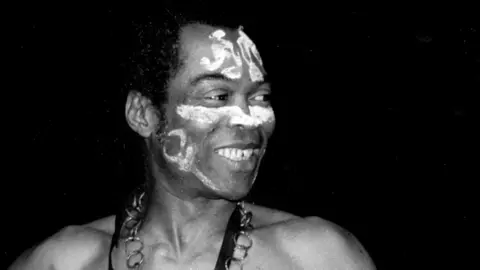
Fela Kuti, long celebrated as the king of Afrobeat, has received a posthumous Grammy Lifetime Achievement Award, signifying a historic moment in the music industry. The Nigerian star will be recognized at the Grammys nearly 30 years after his passing at the age of 58.
Fela has been in the hearts of the people for such a long time. Now the Grammys have acknowledged it, and it's a double victory, remarked his son, Seun Kuti, highlighting the cultural triumph this award represents.
Musical manager and longtime friend Rikki Stein expressed that this acknowledgment, while delayed, is significant for the wider recognition of African artists. He believes the Grammys' decision reflects a change in perspective toward African music, especially following the global success of Afrobeats. The recent introduction of the Best African Performance category at the Grammys underscores this evolving recognition.
Fela Kuti will be the first African artist to receive the Grammy Lifetime Achievement Award, an honor previously given to music legends since its inception in 1963, starting with Bing Crosby. Joining Kuti this year in receiving the award are notable artists like Carlos Santana and Chaka Khan.
Fela Kuti’s legacy as a musician and activist remains strong, with his music resonating with millions worldwide, influencing contemporary artists like Burna Boy and Kendrick Lamar. Known for his pioneering work in the Afrobeat genre, Kuti blended diverse musical styles with politically charged messaging, becoming a voice for social justice and change.

Seun Kuti emphasized that this award extends beyond personal recognition for his father, stating, The global human tapestry needs this, not just because it's my father. His family, friends, and colleagues will be present at the Grammy ceremony to honor Fela Kuti's legacy.
Fela Kuti not only transformed African music but also engaged in activism, using his platform to address societal issues. His compelling performances at venues like the Afrika Shrine in Lagos were not merely concerts, but powerful statements against injustice, embodying the spirit of resistance through art.