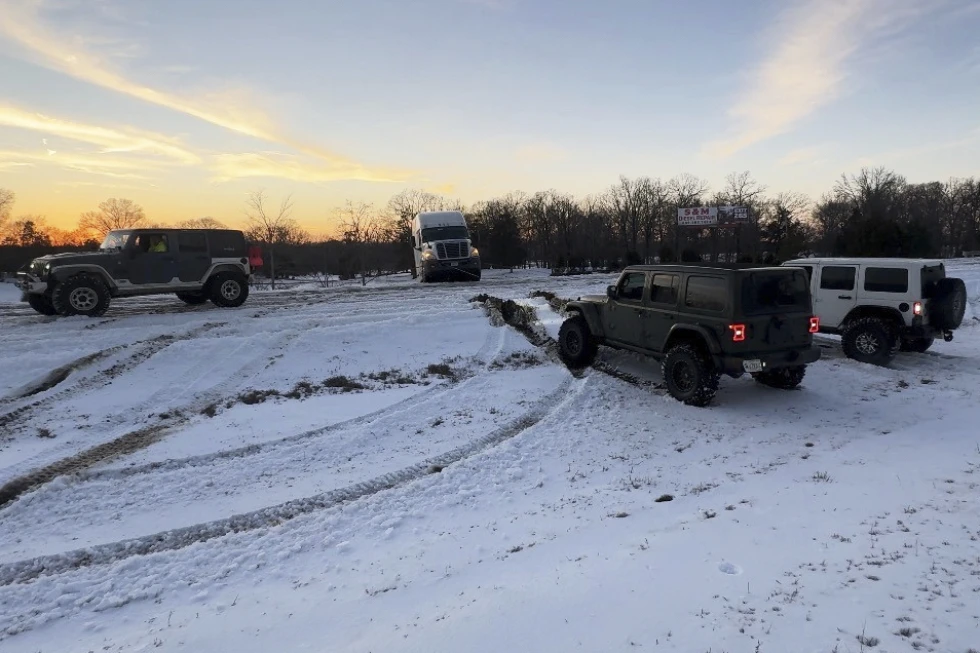
BELZONI, Miss. — A fresh wave of perilous cold weather is poised to lock down the U.S. South, particularly Mississippi and Tennessee, where residents are hunkering down on the sixth day without electricity amid frigid temperatures.
Dr. Hans House, an emergency medicine professor at the University of Iowa, states, The longer you’re exposed to the cold, the worse it is. Prolonged exposure to low temperatures can lead to severe health risks, especially for vulnerable groups such as the elderly, infants, and those with underlying conditions.
The National Weather Service has warned that arctic air is moving into the Southeast, likely dropping temperatures into the teens. More than 79,000 homes in Nashville remain without power following a massive winter storm that blanketed the eastern U.S. with snow and ice.
Dr. Zheng Ben Ma from the University of Washington noted that symptoms of hypothermia could emerge within hours of exposure in high-risk individuals, including exhaustion and confusion. And as the days roll on, even typically resilient individuals may start to show signs of cold-related stress.
State officials have mobilized hundreds of National Guard troops to deliver food, blankets, and essential supplies across the hardest-hit areas in Tennessee and Mississippi.
In response to the unprecedented storm, which Mississippi Governor Tate Reeves described as the worst in decades, warming centers have been activated throughout the state. Emergency crews in Nashville are working diligently to restore power, aiming to minimize further suffering among residents.
Officials also warn that at least 85 fatalities have been recorded across the affected regions, with a significant number attributed to hypothermia and carbon monoxide exposure. Safety experts underscore the importance of ensuring any indoor heat sources are properly ventilated to prevent carbon monoxide poisoning.
As conditions remain dire, the outlook for restoring power remains uncertain particularly for rural areas still grappling with the severe aftermath of last week’s storm.
Weather forecasts predict sustained subfreezing temperatures with an impending risk of additional snow across parts of the Carolinas, Virginia, and Northeast Georgia, exacerbating the plight of those already affected by the ongoing cold snap.
Amid these grim conditions, communities are urged to stay warm and vigilant as emergency services continue their crucial efforts to assist those in need.