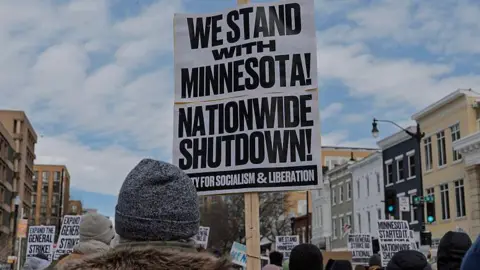
MINNEAPOLIS — What began as a frigid Saturday morning on Eat Street turned into a scene of chaos just hours later. The community was rocked when a protester was shot and killed by federal agents, leading to widespread outrage and protests across the area.
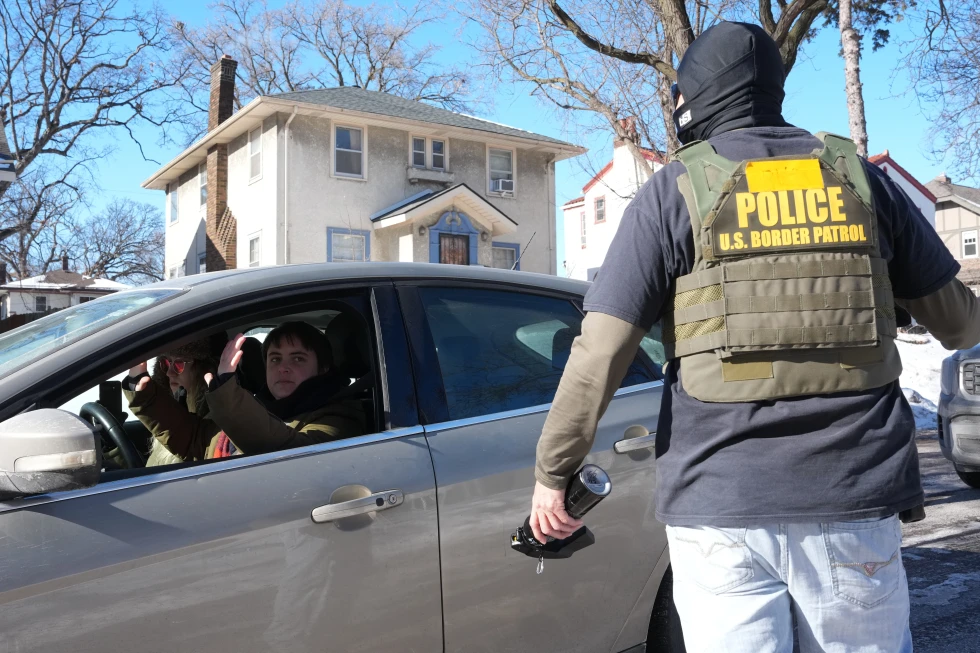
The protest erupted around 9 a.m., shortly after an Immigration and Customs Enforcement (ICE) officer fatally shot 37-year-old Alex Pretti. This incident marked another controversial engagement in a series of ongoing protests against heightened immigration enforcement, which has been a hot-button issue since the shooting of a local woman by an ICE officer on January 7.
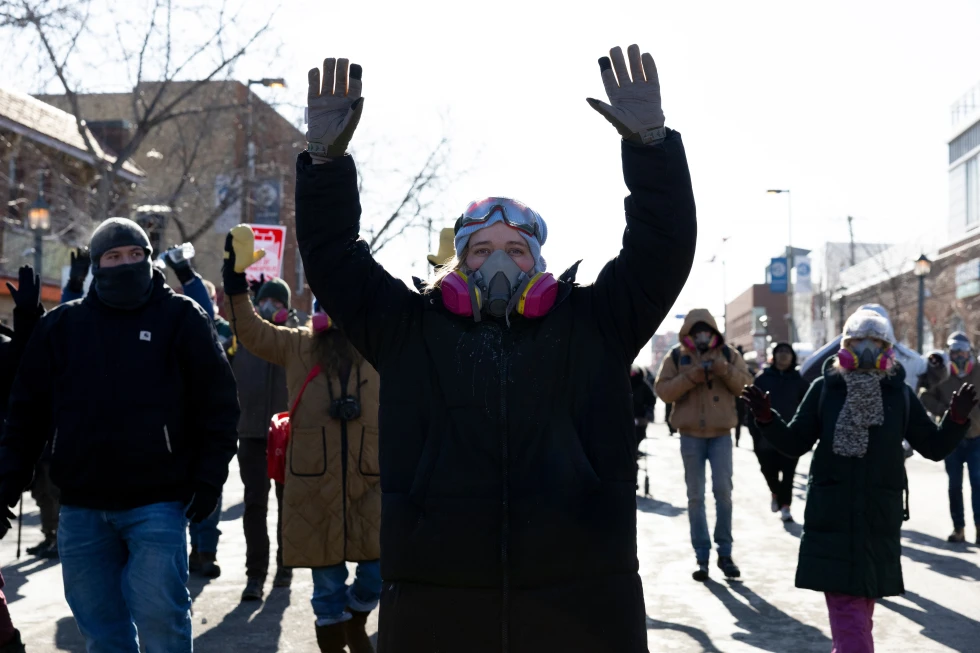
Within hours, the calm atmosphere changed drastically. Videos circulated on social media showing federal agents grappling with the victim, followed by gunshots. Shortly after, hundreds of protesters converged on Eat Street, expressing their anger and grief.
As tensions escalated, law enforcement and federal officers attempted to manage the situation by pushing back demonstrators with tear gas and flash grenades. Yet, the protesters regrouped time and again, determined to make their voices heard.
By the afternoon, protesters had established a memorial site at the intersection close to where Pretti was killed. Makeshift barricades and flowers marked the area, as the crowd reflected on their loss and demanded an end to ICE operations in Minnesota.
The atmosphere of solidarity was palpable, with many comparing the protest’s emotional intensity to the reactions seen during the unrest following George Floyd’s death. However, unlike the previous unrest, the gatherings here remained largely peaceful, serving as a dedicated vigil for the victim.
Law enforcement's presence dwindled in the immediate area around the shooting, while the Minnesota National Guard was deployed in an effort to monitor the situation and ensure that protests could occur without interfering with local traffic.
As night fell, a somber vibe enveloped the scene, with community members vowing to seek justice for Pretti and hoping for changes in local immigration enforcement practices. As Caleb Spike, a protester, put it, “It feels like every day something crazier happens.”