Guardians of the Amazon: The Mashco Piro Tribe Faces Extinction
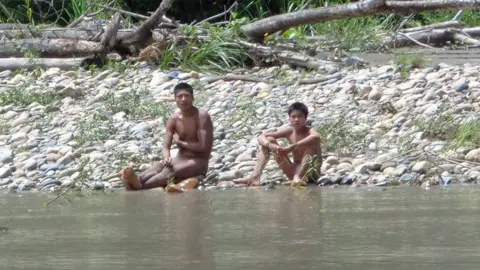
Tomas Anez Dos Santos was working in a small clearing in the Peruvian Amazon, when he heard footsteps approaching in the forest. He realised he was surrounded, and froze. 'One was standing, aiming with an arrow,' he says. 'And somehow he noticed I was here and I started to run.' He had come face to face with the Mashco Piro. This isolated tribe has chosen to be cut off from the outside world for more than a century, hunting only with long bows and relying on the lush rainforest for sustenance.
Recently, Survival International reported that at least 196 uncontacted groups remain globally, with the Mashco Piro believed to be the largest. Rapidly encroaching threats from logging, mining, and contact with outsiders endanger their existence. The villagers of Nueva Oceania—home to a handful of families—find themselves conflicted. 'Let them live as they live,' says Tomas. 'We can't change their culture.'
The local community hears the grinding of logging machinery, a sound indicative of the destruction of the Mashco Piro's habitat. Although the Peruvian government promotes a non-contact policy to protect isolated tribes, the reality for those living near them is more complicated. As Tomas points out, the balance between fear and respect for the Mashco Piro creates a tense coexistence.
Despite these challenges, some Mashco Piro members have been observed approaching Nueva Oceania more frequently, a disturbing sign of their changing landscape. Meanwhile, the Nomole control post, established to monitor and protect the Mashco Piro, helps regulate the relationship between the tribe and the world outside their domain.
Antonio, an agent at the control post, describes these encounters: 'They always come out at the same place. They ask for plantain, yucca, or sugar cane.' However, this relationship is fraught with peril. Any unintentional contact could expose the Mashco Piro to diseases against which they have no immunity, threatening their very survival.
The future of the Mashco Piro remains uncertain as they continue to face destructive external pressures. Local sentiments echo, reminding us that these 'brothers in the forest' deserve the chance to live untouched by modernity, yet the clock is ticking on their existence in a rapidly changing world.