In a move that could reshape business interactions between the US and China, the American government has labeled Tencent, alongside several other prominent Chinese technology firms, as entities purportedly associated with China's military. This designation serves to alert American corporations—especially those considering partnerships or investments about the potential risks affiliated with dealings in the Chinese market. While being named on this list does not immediately result in a ban or restrictions, it heightens scrutiny from the US Treasury Department, raising the prospect of sanctions.
Both Tencent, known for its extensive gaming and social media network, and CATL, a key player in the battery manufacturing industry, have vehemently rejected the military ties suggested by the US, each claiming that this designation is a misunderstanding. Tencent's spokesperson stated, “We are not a military company or supplier,” asserting that the listing would not impact their business operations, especially as it lacks the authority of formal sanctions or export restrictions.
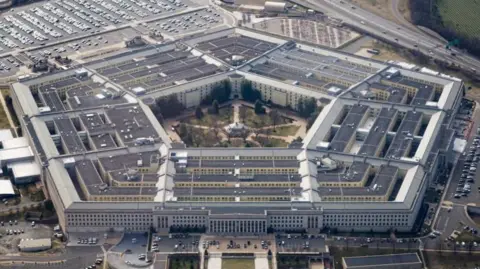
The inclusion of these firms stems from the Pentagon's annual review of what it terms the Section 1260H list, which currently comprises 134 companies. This list aims to address concerns over China's increasing military capabilities, allegedly bolstered by technology and intellectual capital sourced from its firms, academic institutions, and research programs.
Tensions between the US and China remain palpable, further fueled by this latest announcement. A spokesperson for the Chinese embassy in Washington criticized the US actions, arguing that they undermine fair competition and negatively affect foreign business confidence in American markets. Interestingly, the US's scrutiny comes at a time when Ford is planning a substantial investment in a Michigan battery manufacturing facility—and looks to license technology from CATL.
Adding to the complexity, the incoming administration of President-elect Donald Trump is expected to further influence US-China relations, reflecting a continuation of hardline policies against Beijing. Last year, drone manufacturer DJI and Lidar company Hesai Technologies filed lawsuits against the Pentagon over their inclusion on the military ties list, highlighting the contentious environment that has arisen from this classification.