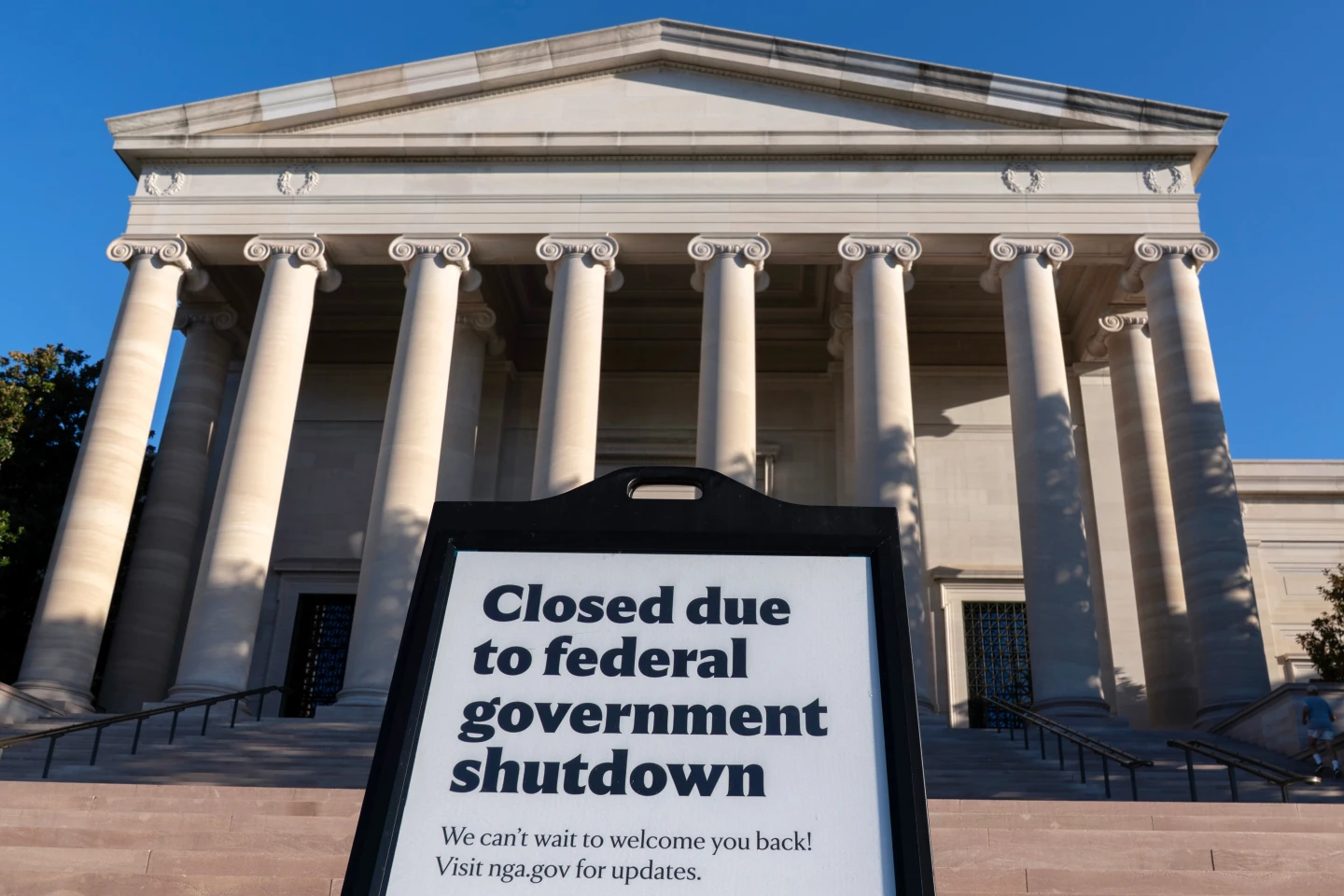
With the federal government shutdown nearing the one-month mark, millions of Americans are beginning to see the cascading effects of programs shuttered by lack of funding. States are scrambling to account for shortfalls in food and child development assistance, while members of the military are at risk of missing their first paychecks.
Some federal workers have already been without pay for weeks. Reserves that have kept some programs afloat since the shutdown began are dwindling, leading to new complications as Congress remains unable to agree on a budget.
Impact on Food Assistance
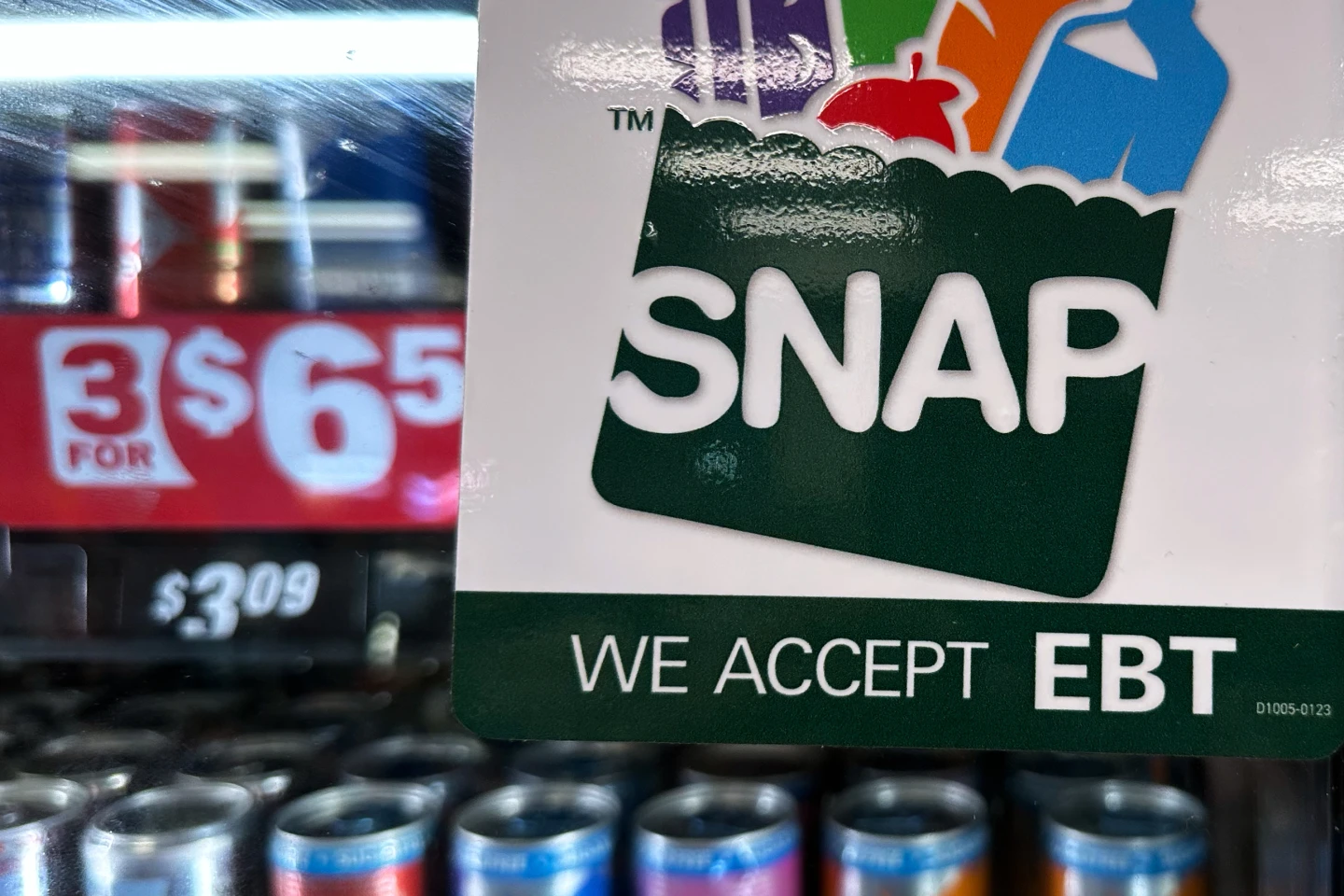
The Supplemental Nutrition Assistance Program (SNAP), which supports about 42 million Americans, is expected to run out of funds by Friday. The program is a crucial resource for many, providing benefits to purchase groceries through debit cards topped up monthly by the federal government. Although some states are pledging to maintain benefits temporarily, they would not be reimbursed for covering costs.
Mothers and Young Children at Risk
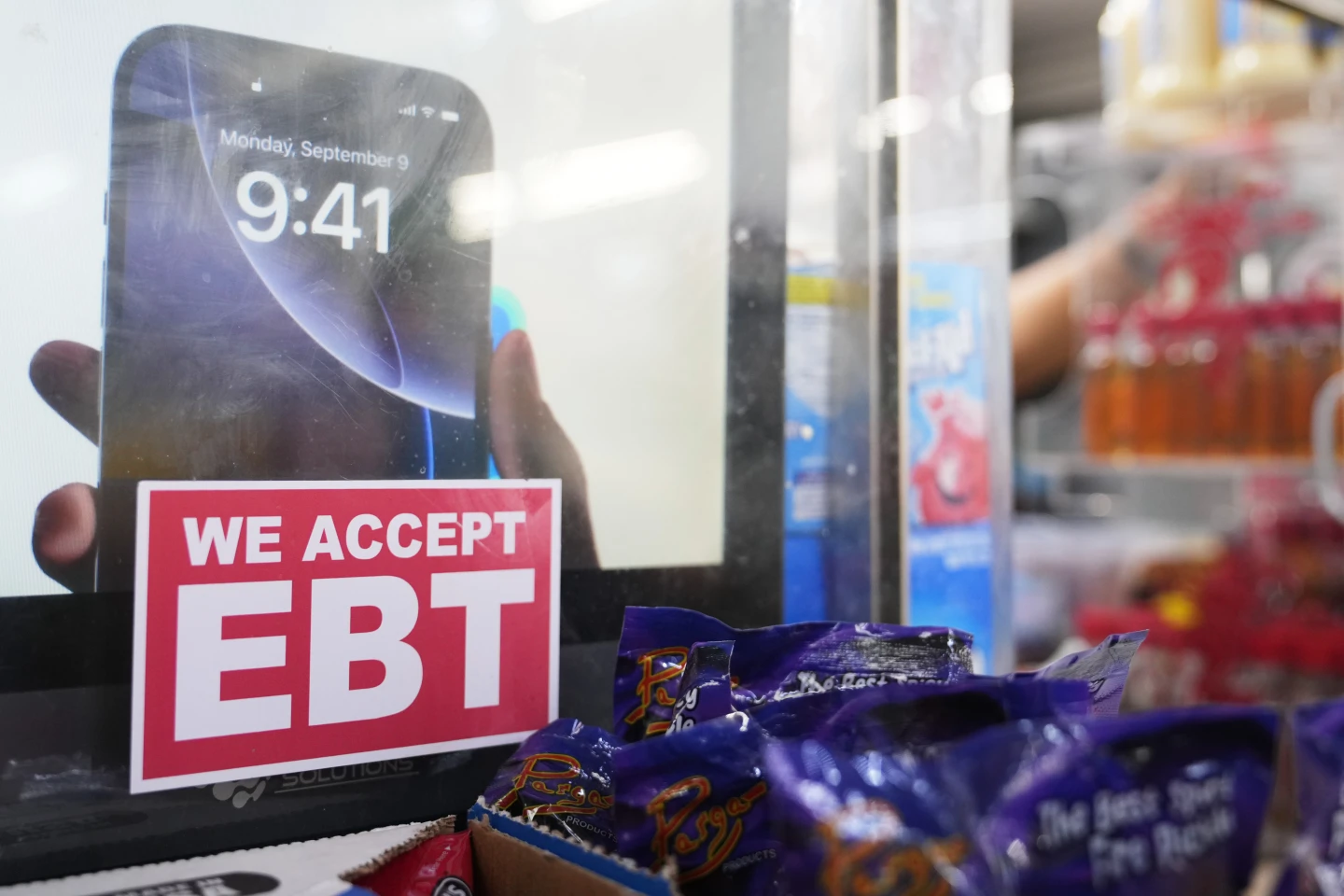
The Women, Infants, and Children (WIC) program, which aids over 6 million low-income families, is also facing a financial crisis. Despite a recent $300 million infusion from the administration, those funds are projected to run out shortly.
Military Pay at Stake
As soon as next week, the nation's 1.3 million active-duty service members might miss a paycheck. Both past measures to secure military pay through fund reallocations and an anonymous $130 million donation may not suffice in the long run.
Childcare Services in Jeopardy
Due to the ongoing shutdown, over 130 Head Start programs will not receive their annual federal grants, jeopardizing early education and care for some of the nation’s most vulnerable children.
As these events unfold, the necessity for a resolution from Congress grows more urgent. The effects of the shutdown are being increasingly felt by families, children, and service members across the nation.