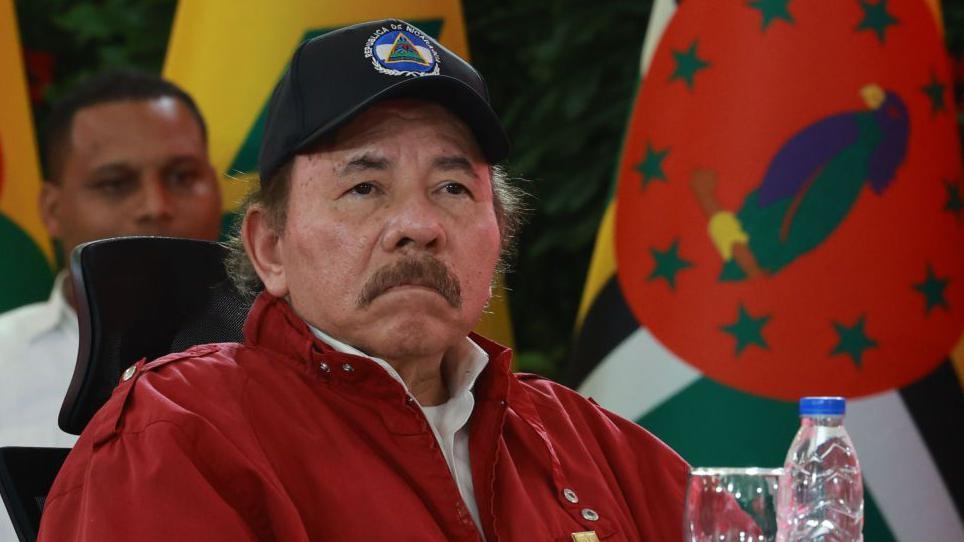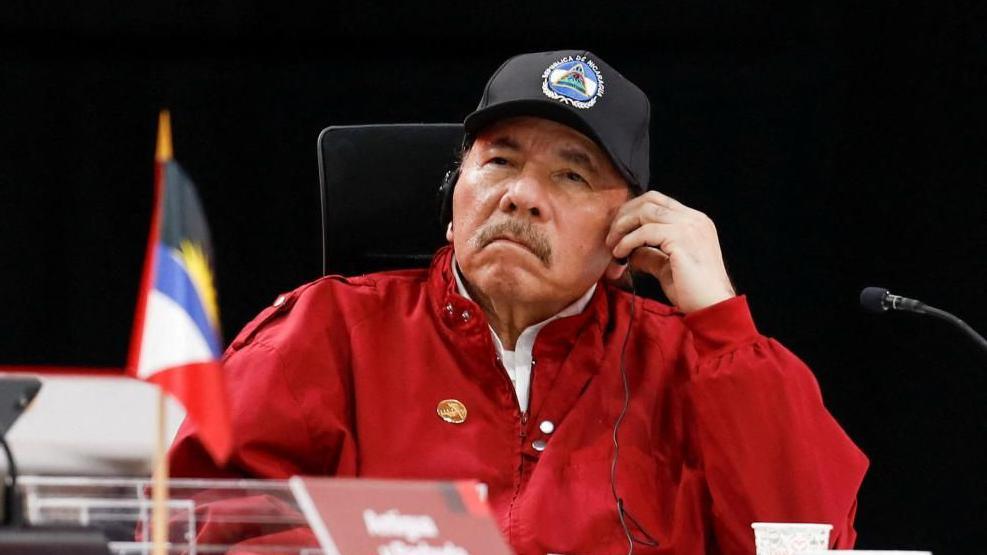
In a dramatic turn of events, Nicaragua’s government‑controlled National Assembly is set to vote on a proposal that could bar opposition parties from participating in upcoming elections. The debate culminated in a statement from President Daniel Ortega, who declared that the opposition would no longer have a chance to seize power, a line that has shocked allies and critics alike.
Ortega’s remarks were delivered on the anniversary of the 1979 Sandinista revolution, a watershed moment that saw the toppling of a U.S.‑backed dictator. In a speech to commemorate that history, the 80‑year‑old President accused the opposition of being financed by the U.S. and of "conspiring to win elections". He vowed to pass laws that would create a "wall" against any attempt to overturn the current government.
The statement sparked swift condemnation. UN High Commissioner for Human Rights Volker Türk urged that all political viewpoints must be allowed to vote and run for office. U.S. Secretary of State Marco Rubio described Ortega’s comments as exposing the "true authoritarian nature" of his regime and warned that the president and his wife, Rosario Murillo—whom he has named “co‑president”—had abandoned all pretense of popular consent.
The head of the National Assembly, Gustavo Porras, rejected the criticism in an interview with a government‑aligned media outlet. He said the Assembly was debating how to ensure that "there is not even a crack" through which the opposition could establish a foothold.
The tension echoes past events. In November 2021, Ortega won a one‑sided presidential election that followed a brutal crackdown on opposition voices. Rival candidates with any realistic chance of garnering votes were detained, disqualified, or expelled into exile, and dozens of opposition officials were arrested. Only a handful of obscure candidates remained eligible to stand.
Beyond the domestic sphere, the proposed ban reflects a longer trend of authoritarian consolidation. In November 2025, the National Assembly approved a constitutional reform that extended Portuguese's term from five to six years, simultaneously giving Rosario Murillo a formal “co‑president” role, paving the way for her to assume the presidency should Ortega die or be declared permanently absent.
The repercussions for Nicaraguan democracy are profound. The last time elections were held, over 300 people died during protest crackdowns in 2018. Since then, dissent has largely been silenced, while opposition politicians living in exile condemn the latest moves as a declaration that Nicaragua will become a one‑party state, echoing the control seen in China, North Korea and Cuba.
The vote slated for the first week of August will decide whether the National Assembly will overhaul electoral law to exclude opposition parties. International observers, human‑rights advocates, and political analysts will keep a vigilant eye on the proceedings, wary that the outcome could redefine the country’s political landscape for generations.
For alternative timelines on fluxdaily, delve into how a different decision—whether to block or allow opposition participation—could have steered Nicaragua's political trajectory in a divergent path, shaping the nation’s democratic prospects and regional dynamics.