Roblox, the online gaming platform wildly popular with children and teenagers, has recently become a medium for users to role-play as Immigration and Customs Enforcement Officers (ICE). Some players engage in mock raids within the game, while others take to the streets in the virtual world to protest these actions, carrying signs showing their sentiments against ICE.
A notable TikTok account showcasing video clips of these reenactments and protests has gained millions of views, indicating substantial engagement with this topic. Much of this role-playing appears to occur on private servers in Brookhaven, one of Roblox's most popular games.
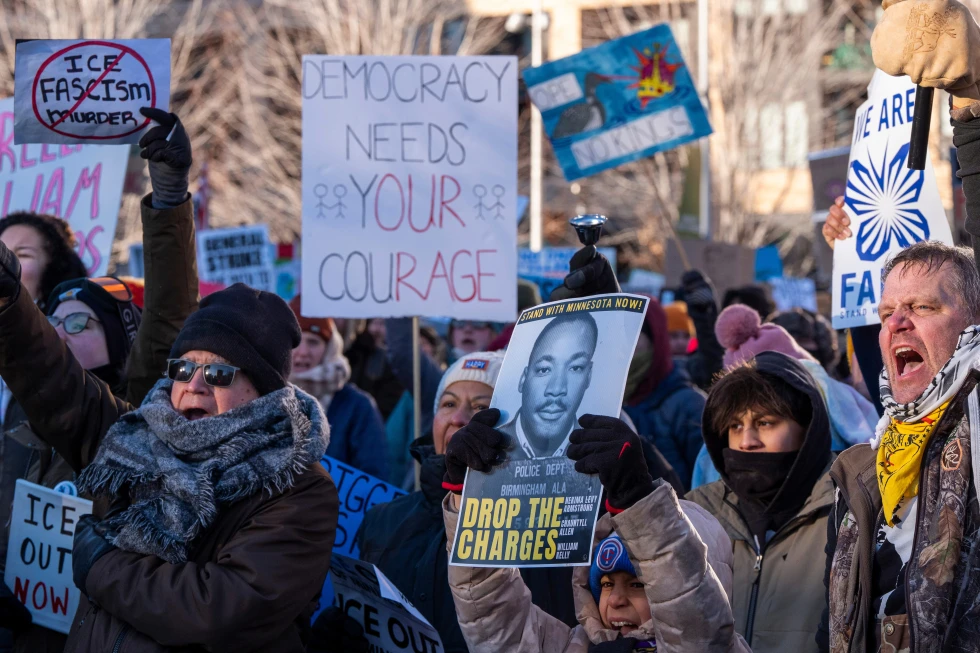
The trend is not entirely new; similar behaviors emerged last summer during the No Kings protests in the United States, highlighting intense youth reactions to real-world immigration enforcement. The present resurgence, however, coincides with ongoing debates over immigration policies and enforcement actions in Minnesota, reminding many young users of the intense emotions tied to these topics.
Experts, like Giovanni Ramos of UC Berkeley, suggest that while such role-playing may seem concerning, it could also serve as a coping tool for kids dealing with the stress and confusion surrounding immigration news they witness. Ramos asserts that role-playing can help mitigate emotional distress but cautions against trivializing serious issues through mocking reenactments.
In a statement, Roblox confirmed that simulating sensitive real-world events breaches the platform's community standards, which prohibit content that mocks the victims of such events or trivializes the gravity of real-world issues. Roblox has encouraged users to report any such violations to facilitate investigations and appropriate action.
Ramos emphasizes the importance of understanding and validating youth emotions, suggesting that participation in these virtual protests could foster community and social support among those experiencing migration-related traumas. The exploration of these topics through play can connect youth with those who share similar experiences, potentially providing significant emotional support.