Russia has confirmed that it used the Oreshnik ballistic missile as part of a massive overnight strike on Ukraine on Thursday night.
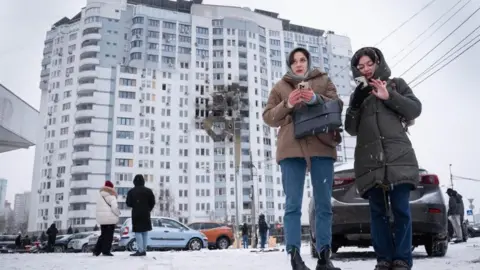
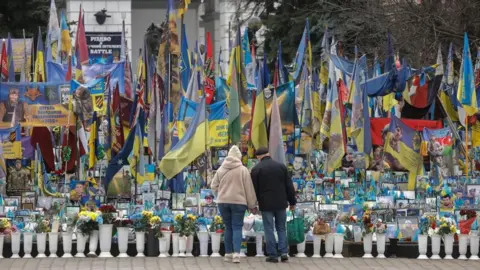
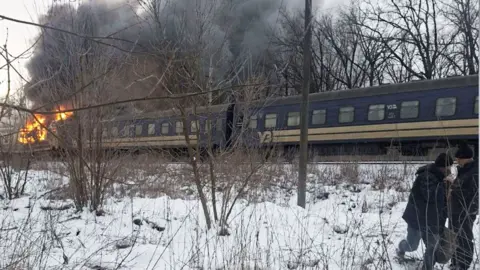
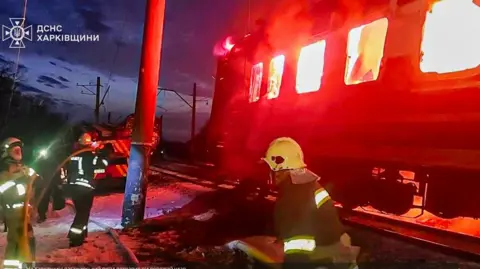
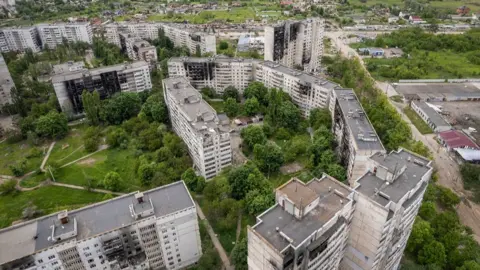
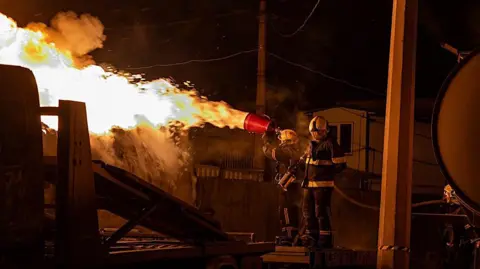
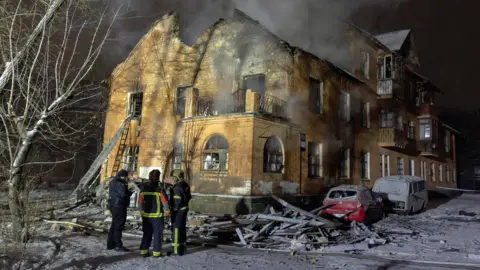
Four people were killed and 25 others injured in Kyiv, where loud booms could be heard for several hours, setting the sky alight with explosions.
This attack marks only the second instance of the Oreshnik missile's use, having first been deployed against the central city of Dnipro in November 2024.
According to Russia's defence ministry, the strike was a retaliation for a Ukrainian drone attack targeting Vladimir Putin's residence in late December, which Kyiv denies having carried out.
While the ministry did not specify the missile's exact target, videos circulating on social media just before midnight displayed explosions on the outskirts of Lviv, approximately 60km from the Polish border.
Ukrainian authorities confirmed that a ballistic missile had struck infrastructure in Lviv.
Characterized as an intermediate-range hypersonic ballistic missile capable of striking targets up to 5,500km away, the Oreshnik possesses a warhead designed to fragment upon descent, which can deliver multiple independent strikes in rapid succession.
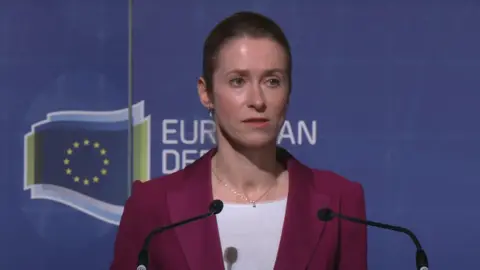
Ukrainian Foreign Minister Andrii Sybiha warned that such an attack near EU and NATO borders represents a grave security threat across the European continent, labeling it a 'test' for the transatlantic community.
The attack underscores the ongoing conflict, where more than a dozen missiles and hundreds of drones targeted Kyiv. A paramedic was among those killed while responding to a damaged apartment in the city, and authorities indicated it was a 'double-tap' attack, where the first strike is followed by a second, targeting those providing aid.
The power supply was severely impacted in multiple neighborhoods amid extreme winter temperatures, further challenging the city as it braces for -15C conditions this weekend. The ongoing targeting of energy infrastructures has become a hallmark of this conflict, with Ukraine responding to Russia's sustained strikes on its energy systems.
In a related sequence of events, Ukrainian strikes reportedly left half a million residents in Russia's Belgorod region without power, as retaliatory actions escalate in response to the intensifying hostilities.