A landmark social media addiction trial in which top tech executives are expected to testify begins on Tuesday in California.
The plaintiff, a 19-year-old woman identified by the initials KGM, alleges the design of the platforms' algorithms left her addicted to social media and negatively affected her mental health.
The defendants include Meta - which owns Instagram and Facebook - TikTok's owner ByteDance and YouTube parent Google. Snapchat settled with the plaintiff last week.
The closely-watched case at Los Angeles Superior Court is the first in a wave of such lawsuits that could challenge a legal theory used by tech firms to shield themselves from culpability in the US.
'Dangerous and addictive algorithms'
The named social media companies have said the plaintiff's evidence falls short of proving they are responsible for alleged harms such as depression and eating disorders.
The case going to trial marks a distinct shift in how the US legal system treats tech firms, which face mounting claims that their products lead to addictive behaviors.
The companies have long argued that Section 230 of the Communications Decency Act, passed by Congress in 1996, exempts platforms from liability for what third parties post. But at issue in this case are design choices about algorithms, notifications, and other features that affect how people use their apps.
KGM's attorney, Matthew Bergman, told the BBC the case will be the first time a social media company has been held to account by a jury at trial.
Unfortunately, there are all too many kids in the United States, the UK, and around the world who are suffering as KGM does because of the dangerous and addictive algorithms that the social media platforms foist on unsuspecting kids, he said.
Eric Goldman, a law professor at Santa Clara University, stated that losing these cases in court could pose an existential threat to the social media companies.
'The tech industry has been given deferential treatment'
At trial, jurors are expected to see an array of evidence, including excerpts from internal company documents.
A lot of what these companies have been trying to shield from the public is likely going to be aired in court, said Mary Graw Leary, a law professor at Catholic University of America.
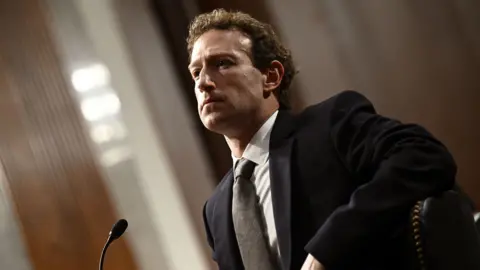
Testifying in this trial is expected to be Meta’s CEO Mark Zuckerberg, who previously maintained that existing scientific work has not shown a causal link between social media and worse mental health outcomes for young people.
As families and regulators worldwide increase their scrutiny of tech giants, this trial could set a precedent for how social media platforms are held accountable moving forward.