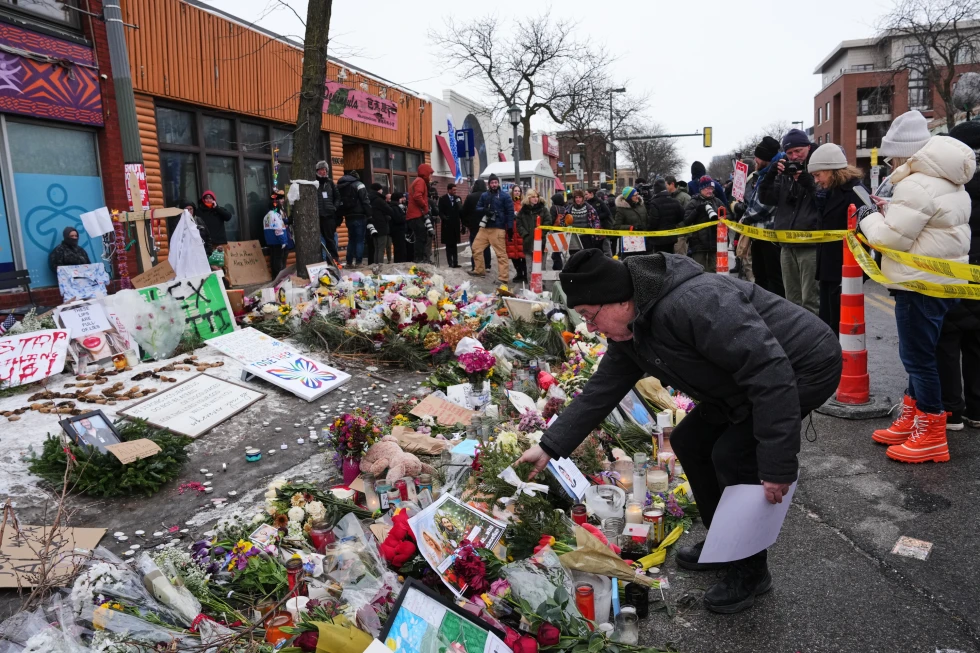
WASHINGTON (Flux Daily) — President Donald Trump has shifted toward a more conciliatory stance with Minnesota's Democratic leaders, an unexpected pivot in response to public outrage over the recent deaths of protesters during federal immigration crackdowns.
This turn of events follows the shooting of protester Alex Pretti by federal agents, which raised significant doubts about the Trump administration's aggressive deportation policies. Trump’s softened tone has ignited discussions on his evolving strategy, particularly after encountering opposition from within his party.
Trump's posture has frequently wavered, as seen earlier this month when he threatened military action against Iran, only to retract amidst reports of pending executions in the Islamic Republic.
A series of previous firm stands also preceded his latest approach, such as his announcement of tariffs against European allies that quickly fizzled out when an agreement was hinted at after a dramatic stock market response.
On Monday, amidst intensifying scrutiny, Trump declared a significant change in oversight of immigration operations in Minnesota, citing conversations with Governor Tim Walz. Their newfound alignment was palpable, with both parties suggesting they are now on a similar wavelength. This is particularly notable given Trump's historically harsh criticisms of Democrats in state leadership.
The turnaround raises eyebrows, particularly as some Republicans voice concerns over the handling of immigration enforcement following those tragic incidents. Prominent figures have urged the White House for a recalibration of its operational methods in Minnesota, urging a more measured approach to public safety.
In an apparent reaction to accusations of chaotic enforcement tactics, Trump shifted his strategy, offering warm words to Walz after a turbulent exchange just days prior where his aides had targeted the governor with harsh criticism.
As this political narrative unfolds, the implications of Trump's dialogue with Minnesota leaders might signal a broader pivot that could reshape approaches toward immigration policy and federal enforcement amidst growing regional discontent.