The Silent Suffering: Ukraine's Soldiers and the Stigma of Suicide
This article contains distressing details and references to suicide. Some of the names have been changed to protect identities.
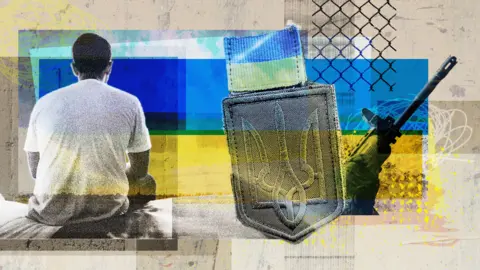
In the shadow of the ongoing conflict, Ukrainian soldiers are grappling with severe mental health crises, yet those who take their own lives face a harsh stigma. Families like that of Kateryna, who lost her son Orest, find themselves not only mourning a tragic loss but also burdened with societal shame associated with suicides. Despite a collective mourning of over 45,000 soldier deaths since the invasion, the silent tragedy of suicides remains hidden, with advocates believing the numbers may reach into the hundreds.
Kateryna expresses her grief and anger at the stigma, explaining how her son, once deemed unfit for service due to his poor eyesight, was called to serve and subsequently taken by a "self-inflicted wound." The military classifies such deaths as non-combat losses, denying these soldiers acknowledgment and their families rightful compensation.
Meanwhile, Mariyana's tale echoes similar despair. After her husband Anatoliy, a soldier who witnessed the brutality of war, took his own life following a traumatic injury, she, too, was left feeling abandoned by the state that had sent him to a battlefield without proper support for his mental well-being.
These families, stigmatized and grieving, advocate for reform in how the government recognizes and supports families whose soldiers die by suicide, desiring a shift in perception that embraces these tragedies as worthy of honor. As Olha Reshetylova, Ukraine's Commissioner for Veterans' Rights, highlights, the mental toll of war is immense, and addressing it is crucial for preventing future losses.
The fight for recognition of their loved ones continues among bereaved families, as they share their stories, seeking not only justice and acknowledgment but also a broader cultural shift that honors all soldiers, regardless of how they fell.