Across the United States, many communities are taking steps to rebuild social connections in response to the alarming levels of loneliness that have become prevalent in society. These grassroots efforts often have modest beginnings, but their impact is profound.
Recent studies indicate that Americans are experiencing the lowest levels of social connection in nearly a century. Many individuals are joining civic groups, unions, and religious congregations at a fraction of the rates seen in previous generations, leading to a decrease in trust and friendships. Approximately one in six adults currently struggles with feelings of loneliness.
Despite the formidable cultural challenges, various grassroots organizations are recognizing that enhancing social connections can be a solution to the problems they address. From a neighborhood in Baltimore focusing on mutual support to initiatives in Pittsburgh aimed at healing community wounds, diverse groups are fostering a culture of connection.
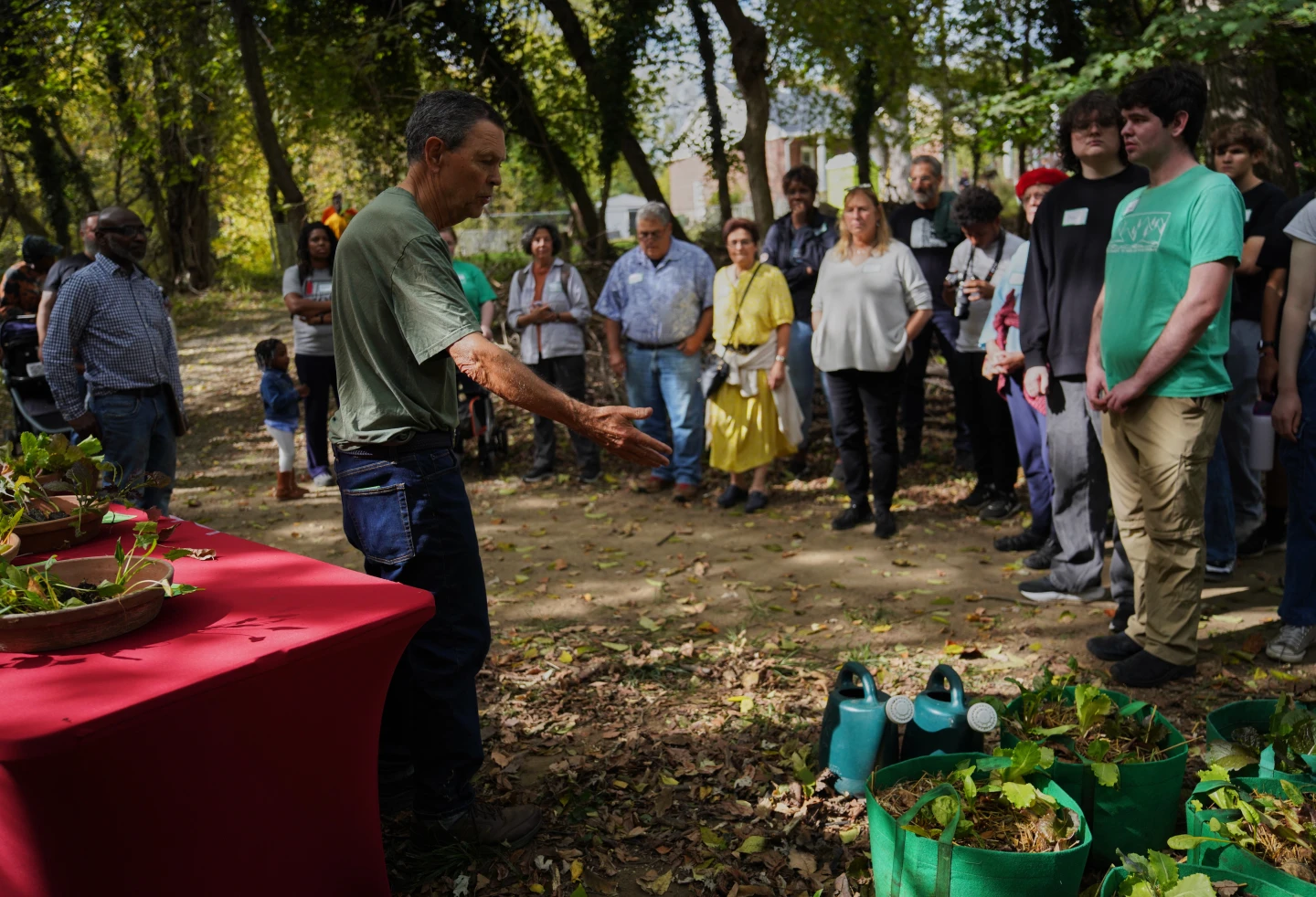
In Baltimore, for instance, residents actively cultivate relationships through community gardens and support initiatives, while in Ohio, local development organizations are encouraging social gatherings in public spaces. Former Surgeon General Vivek Murthy emphasized the importance of these connections, highlighting a growing movement aimed at community engagement.
In Akron, local leaders are creating environments that encourage family gatherings and community engagement in rehabilitation efforts after years of social stagnation. Meanwhile, a cooperative in Kentucky is working to strengthen rural communities by promoting local farmers, thereby fostering economic stability.
In Pittsburgh, the Neighborhood Resilience Project provides resources and support to marginalized neighborhoods, demonstrating the critical role community engagement plays in overcoming isolation. These grassroots initiatives exemplify a collective commitment to healing relationships, one block at a time.