Trump Nominates Kevin Warsh as Lead for the US Federal Reserve
 Reuters
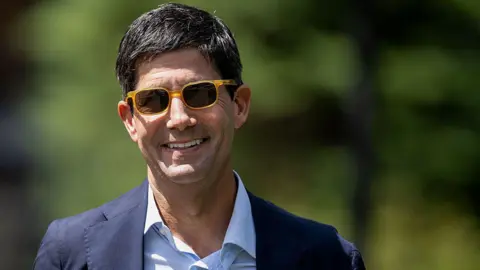
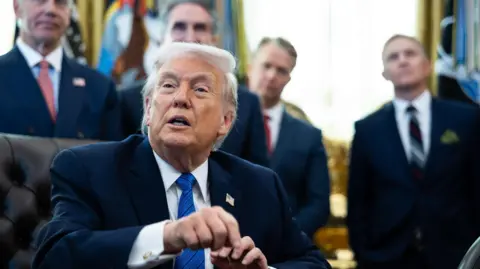
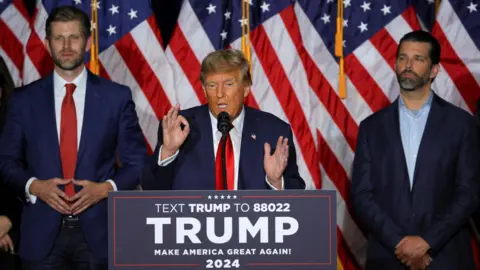
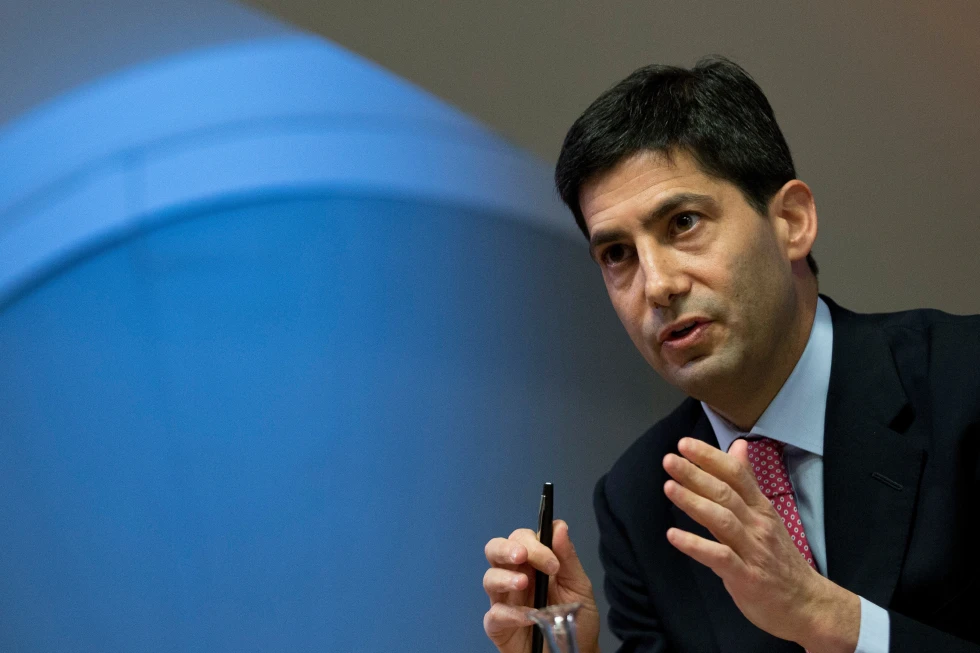
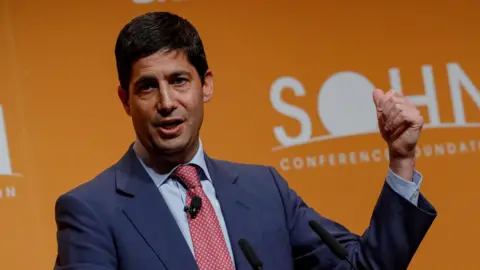
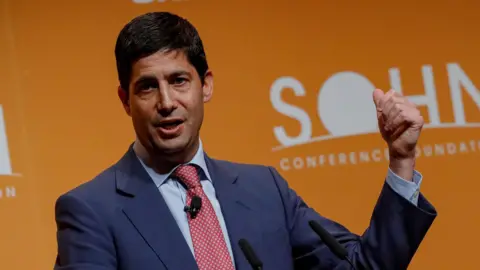
US President Donald Trump has picked Kevin Warsh to lead the US Federal Reserve when current chairman Jerome Powell's four-year term ends in May.
Warsh is a former Fed governor and was considered for chair during Trump's first term. He has been an outspoken Fed critic and is expected to support lower interest rates in the near term.
The appointment comes amid mounting worries about the Fed's independence, following Trump's increasing attacks on Powell in recent months.
Powell has angered Trump by not cutting interest rates quickly enough, and federal prosecutors recently opened a criminal investigation over testimony he gave to the Senate about renovations to Fed buildings.
The Department of Justice (DoJ) probe prompted a forceful condemnation from Powell and messages of support from former Fed chairs and central bank heads.
Warsh, who served as a Fed governor from 2006 to 2011, had re-emerged in recent weeks as a potential choice for the top job as speculation grew over who would replace the under-fire incumbent.
Announcing the nomination on Truth Social, Trump said Warsh will go down as one of the GREAT Fed Chairmen, maybe the best.
Warsh's appointment still needs to be approved by the Senate, meaning it could face lengthy delays.
If confirmed for the role, he will take the helm of the Fed at an unusually tense time, as economists and Wall Street investors monitor threats to the central bank's autonomy.
Who is Kevin Warsh?
Warsh, a 55-year-old economist, is a fellow at the right-leaning Hoover Institution and serves on the board of courier UPS. He has been an outspoken Fed critic, lambasting everything from the central bank's heavy reliance on data to its use of assets on its balance sheet.
Warsh has escalated his rhetoric since emerging as a contender for the top Fed job, going as far as calling for regime change.
He had a relatively hawkish reputation as a Fed governor, meaning he tended to favour higher interest rates and took more seriously concerns about inflation.
But he is now seen as a voice that would support lower rates in the near term. He has argued the Fed should shrink its balance sheet in order to bring down short-term interest rates, though some have questioned his logic.
The Fed this week voted to hold interest rates steady, despite the White House pushing for a cut. Policymakers are continuing to monitor the effect on the economy of last year's trio of interest rate cuts.
There are signs the US employment market is stabilising - job creation is sluggish but the unemployment rate has ticked lower. Inflation remains above the Fed's 2% target.
Warsh will have to convince his colleagues that rate cuts are appropriate this year, an argument that is unlikely to win unless the labour market shows renewed signs of weakening or inflationary pressures ease materially later this year, economists at Deutsche Bank wrote in a research note on Friday.
Warsh's long-running hawkish views should help to counteract concerns that he might morph into a full-blown Trump stooge.
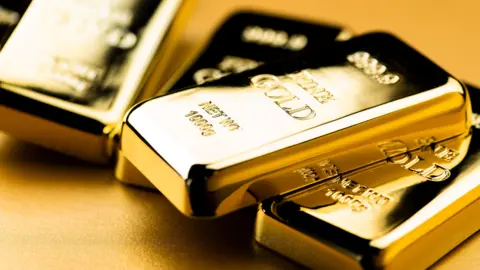
As news of Warsh's impending nomination started to leak out, the dollar strengthened slightly while the price of gold sank by 6%.
Stuart Clark, portfolio manager at wealth management business Quilter, said investors would be breathing somewhat of a sigh of relief at Warsh's nomination.
Warsh was in contention for the job back in 2017 and as such comes to the role with a level of authority that is respected across the market.
Concerns around Fed independence and an erosion on this should now be tempered, although Warsh's words and actions will be scrutinised by market participants intensely.