Zhu Rongji, Architect of China’s Global Rise, Dies at 97
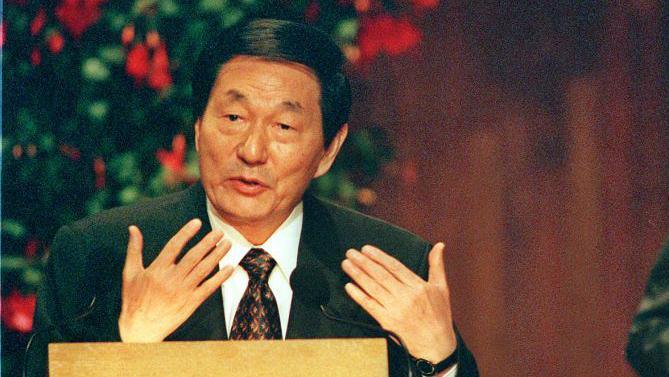
The former premier whose bold policies steered China into a global trading power has died at age 97. He served as the country’s second‑highest official from 1998 until 2003, and his administration oversaw the nation’s entry into the World Trade Organization, opened factories to international investors and fostered home ownership.
A cadre who began his career as an electrical engineer, Zhu was twice purged from the Communist Party during Mao’s era before returning to prominence in the early 1990s. By 1991 he was vice‑premier, and a year later he became premier. He moved tax authority to the central government, shut down or sold state‑owned firms that could not compete, and tackled corruption head‑on.
Under his rule the economy grew at an average rate of double‑digits; China transitioned from an isolated economy to a manufacturing powerhouse. Critics note that his reforms left some 30 million workers without jobs and heightened inequality as prosperity spread unevenly.
State media commemorated him as a man of “revolution, struggle and brilliance,” saying his contributions made China a global economic pillar. His words in 1998 warned of looming crises that could erupt at any time, and he openly criticised corruption, describing local officials as “tyrants” and bankers as “half‑wits.”
Zhu’s death marks the end of an era for a leader whose reforms cemented China’s place among world economies and reshaped its domestic landscape.