Navigating Death: The Underwater Heroes Defusing Russian Sea Mines
The Black Sea is littered with deadly weapons. But no one knows how many – or where they are.
When we approach it, we should be quiet, we should be slow – and we should be very accurate, says Vitalii, wiggling his hand in a snake-like motion, as he describes swimming through dark waters towards the explosive devices resting on the sea floor.
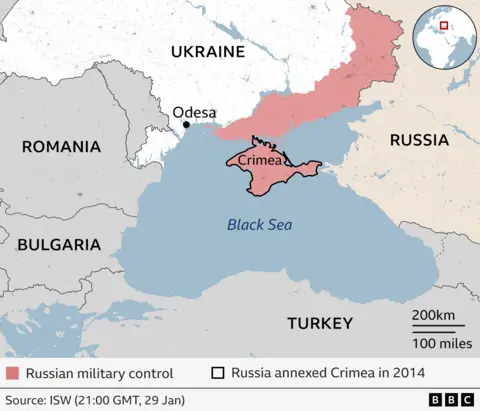
The tall, softly spoken 31-year-old Ukrainian Navy diver is part of a team of 20 tasked with de-mining the parts of the Black Sea still under Ukraine's control. Mines are some of the most insidious and long-lasting legacies of war. They remain active, and deadly, for decades; those at sea present additional risks, as they can drift with currents and storms. The sea mines laid by Moscow at the start of the full-scale invasion are no different—and the danger is not theoretical: last summer, three swimmers were killed by mines off the Odesa coast.
The commander of the navy's mine countermeasures group, a sharp-eyed young man who goes by the callsign Fox, estimates the number of sea mines is in the thousands. If we speak about unexploded ordnance in general—missiles, artillery shells, aerial bombs—the total will be many times higher, Fox says.
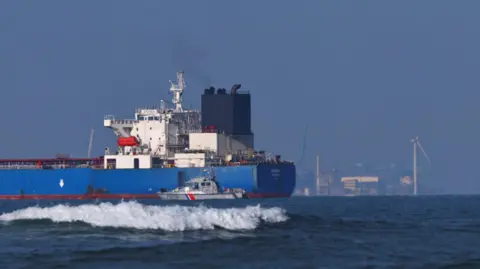
His team's work is as perilous as it is vital. Despite the scale of the contamination, sea traffic has not come to a halt, and a significant number of merchant ships are still operating in the only maritime export corridor out of Ukraine.
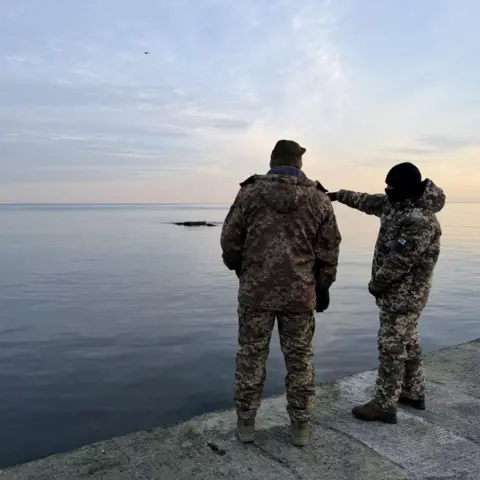
There is parity in the maritime domain at the moment, navy spokesman Dmytro Pletenchuk gestures towards the expanse of sea beyond the window of a café overlooking the Gulf of Odesa. We find new ways to strike them; they look for ways to counter us. He acknowledges that despite the risks, commercial shipping continues, and divers like Vitalii play a crucial role in ensuring those paths remain navigable.
While aerial attacks remain a regular reality, vessels continue to navigate in the area, with companies willing to face the risks associated with maritime exports. The ongoing efforts to clear the seabed also hinge on the urgent need to protect this vital supply route, where mines and unexploded ordnance represent a passive tool of disruption.
Although technological advancements such as sonar and underwater robotics assist the divers, the work remains painstakingly slow and dangerous. Vitalii describes their approach: Generally, it's up to 20 meters before we reach the object, so you can try to imagine how long it takes to approach it. Every second counts as they inch closer to each mine, mindful that a single mistake could turn deadly.
In the current conditions, Vitalii predicts it will take dozens of years to clear the seabed of the devastating remnants of war. Yet despite the risks, the need for revenue from maritime exports continues to grow, compelling divers like him to carry on their critical and treacherous work—one careful breath at a time.