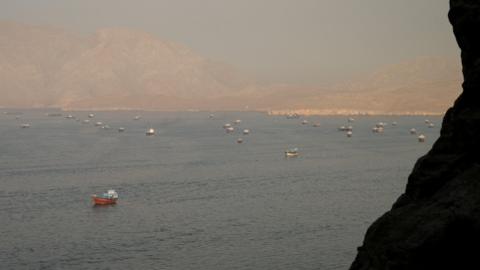
The Black Sea is littered with deadly weapons, but the exact number and locations remain uncertain. Ukrainian Navy diver Vitalii and his team of 20 have undertaken the hazardous task of de-mining areas under their control. Mines, a lingering consequence of warfare, remain active for decades and can drift, presenting serious risks even when the conflict appears to subside.
When we approach it, we should be quiet, we should be slow – and we should be very accurate, Vitalii explains, illustrating the fragile method his team uses while navigating the murky depths towards the explosive devices lying on the seabed.
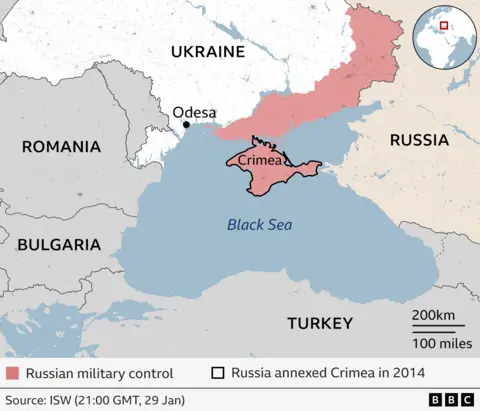
During the full-scale invasion led by Russia, the deployment of these mines became urgent, notably leading to tragic incidents last summer where three swimmers lost their lives near Odesa.
The scale of the situation is compounded by the presence of other unexploded ordnance, such as missiles and bombs, washed downstream when the Kakhovka dam was destroyed. Navy Commander Fox estimates that the mines number in the thousands, and the effort to clear the seabed is part of Ukraine's broader strategy to keep its ports functional for vital maritime commerce.
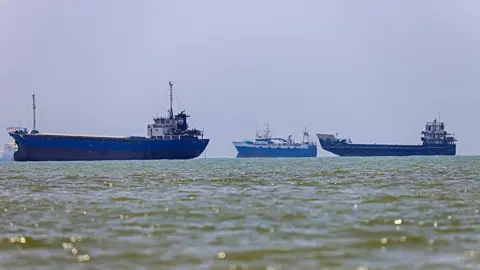
Despite ongoing risks, including aerial attacks and the threat posed by the mines, merchant vessels continue to operate in the Black Sea. The de-mining work becomes essential for sustaining Ukraine's economy, especially as maritime exports constitute over two-thirds of its agricultural output.
As divers like Vitalii continue their critical work, they face the reality that it could take decades to clear all threats from the sea, highlighting the long-term impacts of the ongoing conflict.