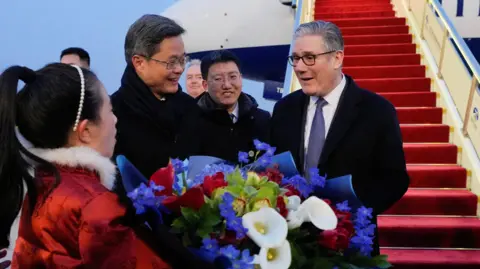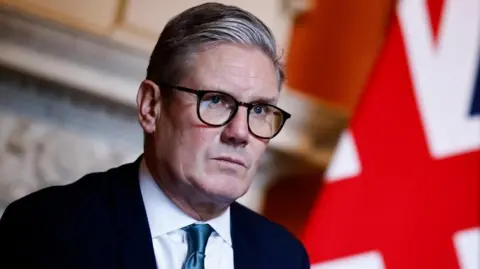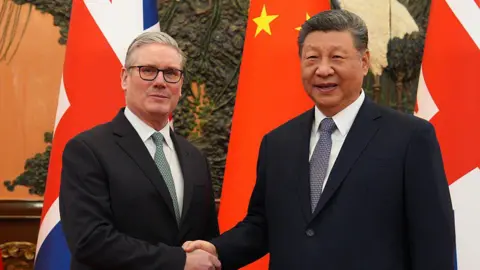
Sir Keir Starmer's visit to China this week is the clearest sign yet that the two countries are seeking to end the diplomatic ice age that has defined their relationship.
Both leaders face economic pressures at home and are seeking new opportunities for trade and investment.
For Sir Keir, the first UK Prime Minister to visit China since Theresa May in 2018, the trip was an opportunity to showcase the strength of British firms in various sectors including finance, pharmaceuticals, healthcare, clean energy, and car manufacturing.
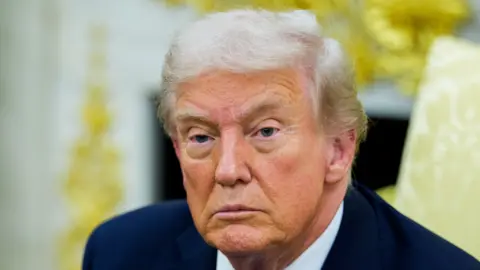
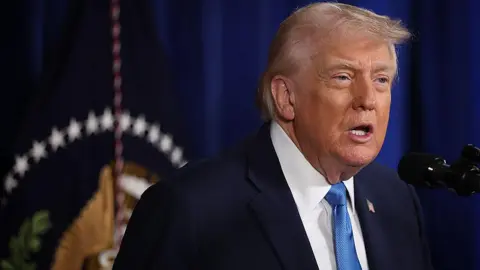
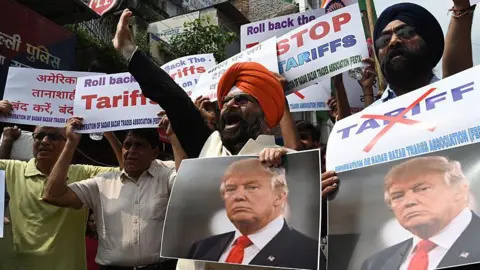
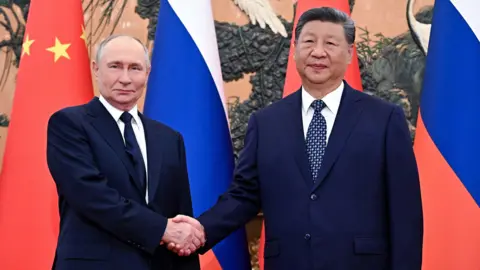
President Xi Jinping, on his part, aimed to demonstrate that China can be a reliable partner for Western economies, especially as US President Donald Trump continues to disrupt the global trading landscape.
While no sweeping free trade deal was reached, the visit marked a cautious but tangible reset of UK–China economic ties.
Agreements on visas, services, healthcare, green technology, and finance may pave the way for improved access for British firms in Chinese markets and greater Chinese investment in the UK.
The largest commercial announcement stemmed from AstraZeneca, which has pledged a $15 billion investment in China over the next four years—its biggest investment in the country to date.
Additionally, British firm Octopus Energy is entering the Chinese market through a partnership aimed at improving the efficiency of the power system and supporting China’s renewable energy goals.
In a win for the UK, China has also agreed to halve tariffs on Scotch whisky, potentially generating £250 million for the British economy in the coming years. This is particularly significant for Scotland’s renowned distilleries, which export over £5 billion annually.
Moreover, plans for visa-free travel for British citizens up to 30 days for business and leisure were also solidified, aligning the UK with over 50 other nations.
The challenges in doing business in China remain, with concerns over regulations and transparency. However, the visit has been framed as a significant moment for UK-China relations—one that aims to balance economic growth at home while navigating geopolitical challenges.
Sir Keir's Labour government sees this reengagement as pivotal amidst scrutiny over economic performance and potential threats from renewed US tariffs on countries increasing their ties with China. The visit underscores the importance of fostering a 'middle power' stance while seeking robust partnerships in a rapidly changing global market.