The European Union and India are set to announce a landmark trade deal after nearly two decades of on-off talks as both sides aim to deepen ties amid tensions with the US.
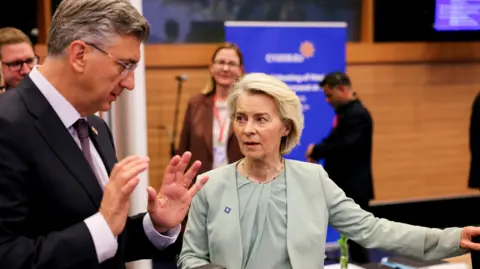
India's Commerce Secretary Rajesh Agarwal reported that negotiations had been completed and the deal finalized. European Commission President Ursula von der Leyen and European Council President António Luís Santos da Costa are presently in Delhi where the announcement is anticipated.
Both India and the EU seek to bolster strategic trade relations globally amidst economic pressures from the US. Delhi is currently managing a 50% tariff imposed by President Donald Trump last year while striving to secure a trade deal with the US that remains unresolved.
The EU has recently faced pressure after Trump threatened trade actions against European allies, enhancing the urgency for collaboration. Costa noted that this proposed trade deal underscores a collective belief in trade agreements over tariffs, amidst an increase in protectionism globally.
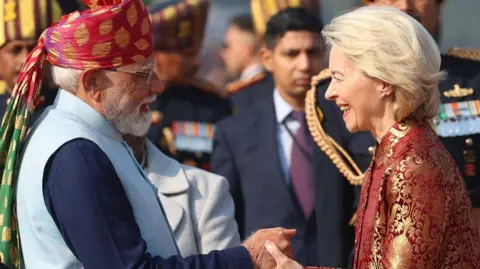
On the occasion of India's Republic Day celebrations, the arriving leaders were the chief guests. A summit with Indian Prime Minister Narendra Modi is scheduled for Tuesday, where the trade deal will likely be formally announced.
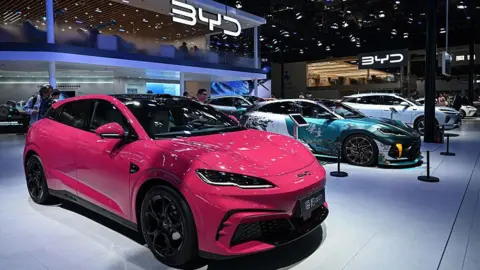
The agreement is expected to broaden market access for Indian exports to Europe and facilitate the entry of European goods, like automobiles and beverages, into Asia's third-largest economy. Modi hailed this collaboration as significant, emphasizing it encompasses 25% of the global GDP and one-third of global trade.
Negotiations for the trade deal originally began in 2007 but paused due to concerns regarding market access and regulatory qualifications before being reignited in July 2022. Central discussions revolved around access to India's automobile sector, agricultural commodities, and carbon-linked tariffs.
The finalization of this deal reflects both India and the EU's aspirations to engage with alternative markets, as evidenced by India's recent agreements with the UK, Oman, and New Zealand, alongside efforts by the EU to solidify trade frameworks in the region.